
Perfect BBQ Grilled Chicken Recipe – Juicy & Flavorful
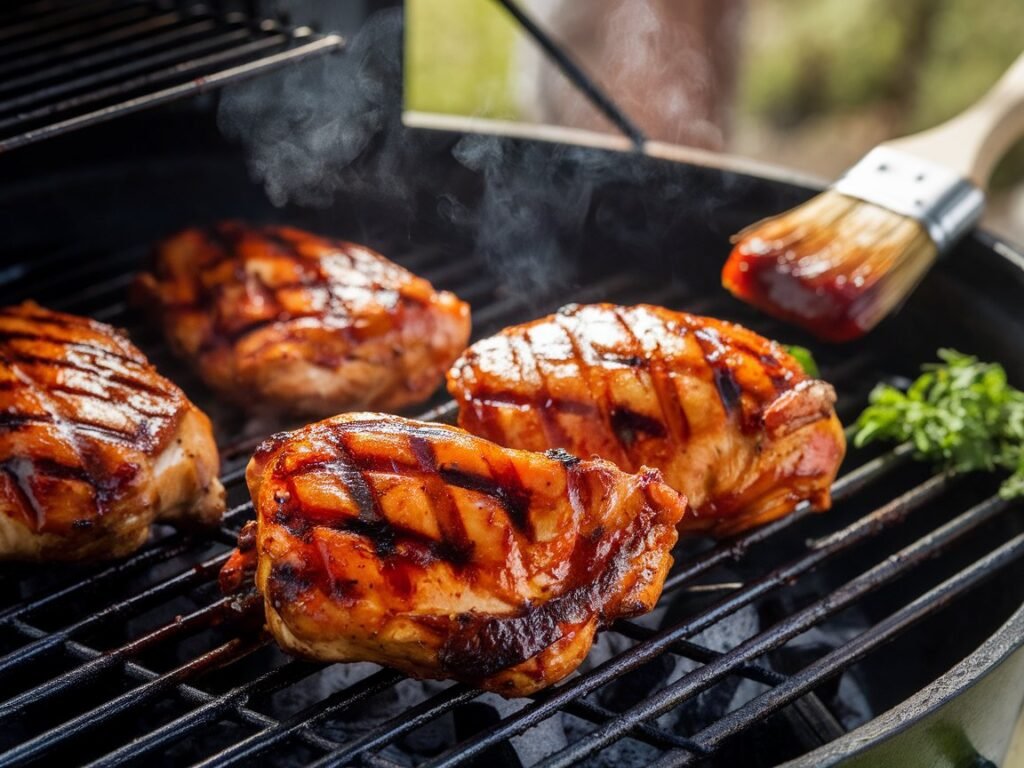
Nothing beats the satisfaction of perfectly grilled BBQ chicken with its crispy, caramelized skin, juicy interior, and that distinctive smoky flavor that can only come from cooking over an open flame. This recipe delivers restaurant-quality results in your own backyard, transforming simple chicken pieces into a masterpiece that will have your family and friends begging for the secret to your success.
What makes this BBQ grilled chicken truly exceptional is the combination of a flavorful dry rub that penetrates deep into the meat, proper grilling techniques that ensure even cooking, and a homemade BBQ sauce that creates a beautiful glaze without burning. The key lies in understanding heat zones, timing, and the science behind achieving that perfect balance of crispy skin and tender, succulent meat.
You’ll master the art of two-zone grilling, learn how to prevent common mistakes like dried-out breast meat or undercooked thighs, and discover the timing secrets that ensure every piece finishes cooking at exactly the right moment. Whether you’re a grilling novice or looking to perfect your technique, this comprehensive guide will give you the confidence to create consistently outstanding BBQ chicken that rivals any barbecue joint.
Ingredients Breakdown
For the Chicken:
- 3-4 lbs mixed chicken pieces (thighs, drumsticks, breasts) – Using a mix of white and dark meat ensures variety and optimal cooking results. Dark meat stays juicier and is more forgiving, while breast meat provides lean protein. Choose pieces of similar size for even cooking.
- 2 tablespoons olive oil – Helps the dry rub adhere to the chicken and promotes even browning. Extra virgin olive oil adds subtle flavor, but any neutral cooking oil works well.
For the Dry Rub:
- 2 tablespoons brown sugar – Creates caramelization and adds sweetness that balances the smoky flavors. Dark brown sugar provides deeper molasses notes than light brown sugar.
- 1 tablespoon paprika – Adds beautiful color and mild pepper flavor. Smoked paprika enhances the barbecue taste, while sweet paprika provides color without extra heat.
- 1 tablespoon garlic powder – Provides savory depth that penetrates the meat during marinating. Granulated garlic powder distributes more evenly than fresh garlic, which can burn during grilling.
- 1 tablespoon onion powder – Adds sweet, savory complexity that complements the garlic. Like garlic powder, it won’t burn during high-heat cooking.
- 2 teaspoons kosher salt – Essential for flavor and helps break down proteins for more tender meat. Kosher salt dissolves more evenly than table salt and doesn’t contain additives.
- 1 teaspoon black pepper – Adds mild heat and enhances other flavors. Freshly ground pepper provides the best flavor, but pre-ground works fine.
- 1 teaspoon chili powder – Contributes warmth and depth without overwhelming heat. Choose a mild blend unless you prefer spicier food.
- 1/2 teaspoon cumin – Adds earthy, warm notes that complement barbecue flavors beautifully. A little goes a long way, so measure carefully.
- 1/2 teaspoon dried oregano – Provides herbal notes that brighten the overall flavor profile.
For the BBQ Sauce:
- 1 cup ketchup – Forms the sweet, tangy base of the sauce. Choose a high-quality brand for the best flavor foundation.
- 1/4 cup apple cider vinegar – Adds necessary acidity to balance sweetness and tenderize the meat surface. White vinegar works as a substitute but lacks the subtle fruit notes.
- 3 tablespoons brown sugar – Sweetens the sauce and promotes caramelization when applied to the chicken during grilling.
- 2 tablespoons Worcestershire sauce – Adds umami depth and complexity. This ingredient is crucial for authentic barbecue flavor.
- 1 tablespoon yellow mustard – Provides tangy heat and helps emulsify the sauce ingredients.
- 2 teaspoons smoked paprika – Enhances the smoky flavor and adds rich color to the finished sauce.
- 1 teaspoon garlic powder – Contributes savory depth without the risk of burning that fresh garlic presents.
- 1/2 teaspoon onion powder – Adds sweet, savory notes that complement the other sauce ingredients.
- 1/4 teaspoon cayenne pepper – Provides subtle heat that can be adjusted to taste preferences.
Common Substitutions: For those avoiding sugar, substitute coconut sugar or sugar-free brown sugar alternatives in both the rub and sauce. Gluten-free preparations should check Worcestershire sauce labels, as some contain gluten. For lower sodium versions, reduce salt in the rub and choose low-sodium ketchup for the sauce.
Step-by-Step Instructions
Step 1: Prepare the Chicken and Apply Dry Rub Pat chicken pieces completely dry with paper towels – this is crucial for crispy skin and proper seasoning adhesion. Rub olive oil all over each piece, then combine all dry rub ingredients in a small bowl. Apply the rub generously to all surfaces of the chicken, massaging it into the skin and crevices. Place seasoned chicken in a covered container or plastic bag and refrigerate for at least 2 hours, preferably 4-24 hours for maximum flavor penetration.
Step 2: Prepare the Grill for Two-Zone Cooking Remove chicken from refrigerator 30 minutes before grilling to bring closer to room temperature. Set up your grill for two-zone cooking by placing coals on one side for charcoal grills, or heating only one side to medium-high (around 350-400°F) for gas grills. The other side should remain cooler for indirect cooking. Clean and oil grill grates thoroughly to prevent sticking.
Step 3: Make the BBQ Sauce While the grill preheats, combine all sauce ingredients in a medium saucepan over medium heat. Whisk together and bring to a gentle simmer, then reduce heat to low and cook for 10-15 minutes, stirring occasionally, until the sauce thickens slightly and flavors meld. Taste and adjust seasoning as needed. Remove from heat and set aside – you’ll use this for basting during the final cooking stages.
Step 4: Start Grilling with Indirect Heat Begin cooking chicken pieces skin-side up on the cooler side of the grill (indirect heat zone). Cover the grill and cook for 20-25 minutes for drumsticks and thighs, 15-20 minutes for breast pieces. This gentle cooking ensures the meat cooks through evenly without burning the exterior. Maintain grill temperature around 325-350°F during this phase.
Step 5: Move to Direct Heat for Crisping Once chicken reaches an internal temperature of 140°F (it will continue cooking), move pieces to the direct heat side of the grill. Cook skin-side down first for 3-4 minutes to crisp the skin, then flip and cook another 3-4 minutes. Watch carefully to prevent burning – move pieces back to indirect heat if they’re browning too quickly.
Step 6: Apply BBQ Sauce and Finish During the last 10 minutes of cooking, begin basting chicken with BBQ sauce using a clean brush. Apply sauce, cook for 2-3 minutes, then flip and apply sauce to the other side. Repeat this process 2-3 times to build up a nice glaze. The sugars in the sauce will caramelize and create a beautiful, glossy coating.
Step 7: Check Temperature and Rest Use an instant-read thermometer to ensure chicken reaches safe internal temperatures: 165°F for breast meat, 175°F for thighs and drumsticks. The juices should run clear when pierced with a knife. Remove from grill and let rest for 5-10 minutes before serving – this allows juices to redistribute throughout the meat for maximum tenderness.
Tips and Variations
Expert Grilling Tips: Temperature control is the most critical factor in successful BBQ chicken. Invest in a good instant-read thermometer and use it frequently – guessing leads to overcooked or unsafe chicken. Create a simple temperature probe setup if your grill allows it for hands-free monitoring.
Don’t move chicken pieces too frequently during cooking. Let them develop proper crust and grill marks before flipping. Excessive handling can cause the skin to tear and prevents proper browning.
Seasoning Variations: For a spicier version, add extra cayenne pepper or include chipotle chili powder in the dry rub. Mediterranean-inspired versions can substitute herbs like rosemary, thyme, and basil for some of the barbecue spices.
Create an Asian-inspired version by adding five-spice powder and ginger to the rub, and incorporating soy sauce and rice vinegar into a modified sauce base.
Sauce Alternatives: White BBQ sauce made with mayonnaise, vinegar, and seasonings provides a tangy Alabama-style alternative. Vinegar-based Carolina sauces work wonderfully for those who prefer less sweetness.
For fruit-forward flavors, try adding pureed peaches, apples, or pineapple to your base sauce recipe. These additions pair particularly well with the smoky grilled flavors.
Cooking Method Adaptations: When outdoor grilling isn’t possible, adapt this recipe for oven cooking at 425°F, finishing under the broiler for the last few minutes to crisp the skin. Indoor grill pans work well for smaller batches, though you won’t achieve the same smoky flavor.
Marinating Enhancements: For extra flavor penetration, try injecting chicken pieces with a mixture of melted butter, chicken broth, and seasonings before applying the dry rub. This technique is particularly effective for breast meat, which can dry out more easily.
Serving Suggestions
Classic Side Dishes: Traditional BBQ sides like coleslaw, baked beans, and cornbread complement grilled chicken perfectly. The cool, crisp texture of slaw provides excellent contrast to the warm, rich chicken, while beans add heartiness and fiber to the meal.
Grilled vegetables like corn on the cob, bell peppers, and zucchini keep the outdoor cooking theme consistent while adding fresh, seasonal flavors. Potato salad remains a crowd favorite that pairs beautifully with barbecue flavors.
Modern Accompaniments: Fresh summer salads with seasonal fruits, nuts, and light vinaigrettes provide bright contrast to the rich, smoky chicken. Consider watermelon and feta salad, arugula with strawberries, or cucumber and tomato combinations.
Grilled bread or garlic toast helps soak up any extra BBQ sauce and adds satisfying carbohydrates to round out the meal.
Beverage Pairings: Cold beer is the classic BBQ companion – try wheat beers, lagers, or hoppy IPAs that cut through the richness. For wine lovers, consider light reds like Pinot Noir or off-dry Rieslings that complement both the smoky and sweet elements.
Non-alcoholic options like lemonade, iced tea, or flavored sparkling water with fresh fruit provide refreshing contrast to the rich, savory chicken.
Presentation Ideas: Serve chicken on large wooden boards or platters garnished with fresh herbs like parsley or cilantro. Small bowls of extra BBQ sauce for dipping and wet wipes for messy fingers show thoughtful hospitality.
For casual gatherings, set up a buffet-style serving area where guests can help themselves to chicken and sides. This approach works particularly well for larger groups and keeps the host from being tied to serving duties.
Storage and Reheating Instructions
Refrigerator Storage: Properly stored BBQ chicken keeps in the refrigerator for 3-4 days in airtight containers or wrapped tightly in aluminum foil. Remove any excess sauce before storing to prevent sogginess, and store sauce separately if you have leftovers.
For best quality, let chicken cool completely before refrigerating, but don’t leave it at room temperature for more than 2 hours for food safety reasons.
Freezing Instructions: BBQ chicken freezes well for up to 3 months when wrapped tightly in plastic wrap and aluminum foil, or stored in freezer-safe bags with air removed. Label with contents and date for easy identification.
For meal planning, consider portioning chicken into individual serving sizes before freezing for easier thawing and reheating.
Reheating Methods: The oven provides the best reheating results for maintaining texture. Preheat to 350°F, place chicken in a covered baking dish with a small amount of water or broth, and heat for 15-20 minutes until warmed through.
For microwave reheating, use 50% power to prevent overcooking, and heat in 30-second intervals until warmed through. Cover with a microwave-safe lid or paper towel to retain moisture.
Quality Maintenance: Properly reheated BBQ chicken should be heated to 165°F internal temperature for food safety. Add fresh BBQ sauce after reheating to restore glaze and enhance flavors that may have diminished during storage.
If chicken seems dry after reheating, brush with additional BBQ sauce or serve with fresh sauce on the side.
Recipe Notes
Equipment Essentials: A reliable instant-read thermometer is crucial for food safety and optimal results. Digital probe thermometers with alarms allow you to monitor cooking progress without constantly opening the grill lid.
Long-handled tools designed for grilling – tongs, spatula, and basting brush – keep you safe from heat and flames while providing good control over the cooking process.
Timing Considerations: Plan for approximately 45 minutes to 1 hour of total cooking time, depending on chicken piece sizes. Factor in resting time and sauce preparation when planning your meal timing.
The dry rub benefits from extended marinating time, so apply it the night before grilling when possible. This advance preparation also reduces day-of cooking stress.
Food Safety Notes: Never reuse marinades or sauces that have contacted raw chicken without boiling them first. Keep a separate portion of sauce for basting and serving to prevent cross-contamination.
Use separate cutting boards and utensils for raw and cooked chicken to prevent foodborne illness.
Quality Indicators: Perfectly cooked BBQ chicken should have crispy, caramelized skin and juices that run clear when pierced. The meat should easily pull away from the bone but not be falling apart.
Internal temperatures are the most reliable indicator of doneness – visual cues can be misleading, especially with heavily sauced chicken.
Nutrition Information
| Nutrient | Per Serving (4 oz chicken) |
|---|---|
| Calories | 315 |
| Total Fat | 18g |
| Saturated Fat | 5g |
| Carbohydrates | 12g |
| Sugar | 10g |
| Fiber | 1g |
| Protein | 28g |
| Sodium | 685mg |
| Cholesterol | 95mg |
| Calcium | 25mg |
| Iron | 1.8mg |
Nutrition information is an estimate and may vary based on specific ingredients used.
Recipe Card Summary
Course: Main Dish Cuisine: American BBQ Servings: 6-8 Prep Time: 20 minutes (plus 2+ hours marinating) Cook Time: 45 minutes Total Time: 3+ hours
Ingredients:
- 3-4 lbs mixed chicken pieces
- 2 tablespoons olive oil
- 2 tablespoons brown sugar
- 1 tablespoon paprika
- 1 tablespoon garlic powder
- 1 tablespoon onion powder
- 2 teaspoons kosher salt
- 1 teaspoon black pepper
- 1 teaspoon chili powder
- 1/2 teaspoon cumin
- 1/2 teaspoon dried oregano
- 1 cup ketchup
- 1/4 cup apple cider vinegar
- 3 tablespoons brown sugar
- 2 tablespoons Worcestershire sauce
- 1 tablespoon yellow mustard
- 2 teaspoons smoked paprika
- 1 teaspoon garlic powder
- 1/2 teaspoon onion powder
- 1/4 teaspoon cayenne pepper
Instructions:
- Pat chicken dry, rub with oil, apply dry rub seasoning, marinate 2-24 hours
- Set up grill for two-zone cooking (350-400°F direct, cooler indirect side)
- Make BBQ sauce by simmering all sauce ingredients 10-15 minutes
- Start chicken on indirect heat, cook 15-25 minutes depending on pieces
- Move to direct heat when internal temp reaches 140°F, crisp skin 3-4 minutes per side
- Baste with BBQ sauce during last 10 minutes, building up glaze
- Check final temperatures (165°F breast, 175°F thighs), rest 5-10 minutes
Notes: Marinate overnight for best flavor. Use instant-read thermometer for safety. Can be adapted for oven cooking at 425°F.
Diet Tags
Gluten-Free: Check Worcestershire sauce label Dairy-Free: Yes Low-Carb: Moderate (sauce contains sugars) Keto-Friendly: Moderate (reduce or omit sauce for strict keto) Paleo: Substitute coconut aminos for Worcestershire sauce
Health Benefits
BBQ grilled chicken provides excellent lean protein essential for muscle maintenance and growth. Dark meat pieces like thighs contain more iron and zinc than breast meat, while breast meat offers the leanest protein option.
Grilling allows excess fat to drip away during cooking, reducing overall calorie content compared to other cooking methods. The dry rub adds flavor without significant calories, while herbs and spices provide antioxidants and anti-inflammatory compounds.
Chicken is rich in B vitamins, particularly niacin and B6, which support energy metabolism and brain function. The protein content helps maintain stable blood sugar levels and provides satiety.
Frequently Asked Questions
1. How do I prevent my BBQ chicken from drying out? The key is proper temperature control and not overcooking. Use two-zone grilling to cook gently with indirect heat first, then finish with direct heat for crisping. Dark meat pieces are more forgiving than breast meat. Always use a thermometer and don’t exceed the recommended internal temperatures.
2. When should I apply the BBQ sauce to prevent burning? Apply BBQ sauce only during the last 10 minutes of cooking. The sugars in most BBQ sauces will burn if applied too early. Build up the glaze gradually with multiple light applications rather than one heavy coating.
3. Can I make this recipe in the oven if I don’t have a grill? Yes! Cook at 425°F on a wire rack over a baking sheet for 25-35 minutes depending on piece size. Finish under the broiler for 2-3 minutes to crisp the skin and caramelize the sauce. The flavor will be different but still delicious.
4. How long should I marinate the chicken in the dry rub? Minimum 2 hours, but overnight (8-24 hours) is ideal for maximum flavor penetration. The salt in the rub acts as a brine, helping to tenderize the meat and infuse flavor throughout.
5. What’s the best way to tell when chicken is done without a thermometer? While a thermometer is most reliable, you can check by piercing the thickest part with a knife – juices should run clear, not pink. The meat should feel firm but not hard when pressed, and should easily pull away from the bone near the joints.
Final Thoughts
Mastering BBQ grilled chicken is one of those fundamental cooking skills that transforms you from someone who merely follows recipes to a confident cook who understands the principles behind great barbecue. This recipe gives you all the tools and knowledge you need to consistently produce restaurant-quality results that will make you the star of every backyard gathering and family dinner.
The beauty of perfect BBQ chicken lies in its universal appeal – it satisfies meat lovers while being approachable enough for novice grillers, impressive enough for special occasions, and practical enough for regular weeknight meals. Once you understand the basics of two-zone cooking, proper seasoning, and temperature control, you’ll find yourself adapting and personalizing the recipe to suit your family’s tastes and preferences.
What I love most about this recipe is how it brings people together. There’s something primal and communal about gathering around a grill, sharing stories while chicken sizzles over the flames, and enjoying the fruits of your labor together. The combination of smoky aromas, caramelized skin, and juicy meat creates not just a meal, but an experience that becomes part of your family’s tradition.
Whether you’re firing up the grill for a summer cookout, preparing Sunday dinner for the family, or looking to impress guests with your barbecue skills, this BBQ grilled chicken recipe will serve you well. Take your time with the process, pay attention to temperatures, and don’t be afraid to make it your own with different spice combinations or sauce variations. Most importantly, have fun with it and enjoy the satisfaction that comes from creating something truly delicious from simple ingredients and good technique.
Give this recipe a try and let me know how it turns out for you in the comments below. I’d love to hear about your favorite side dish pairings and any creative twists you discover along the way. Happy grilling!
