
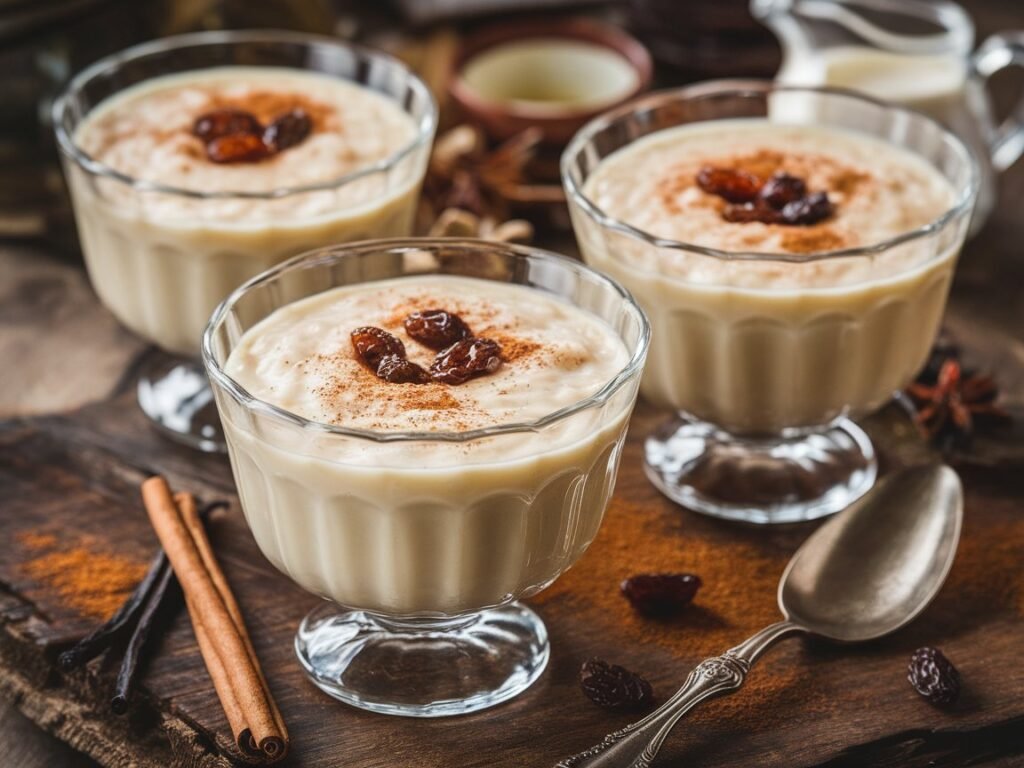
Few desserts evoke the same sense of pure comfort and nostalgia as a bowl of perfectly creamy rice pudding. This timeless treat transforms humble ingredients – rice, milk, sugar, and a touch of vanilla – into something truly magical through the simple alchemy of slow cooking and patient stirring. Each spoonful delivers silky smoothness punctuated by tender rice grains, creating a dessert that’s both familiar and luxurious.
What makes exceptional rice pudding so special is its incredible versatility and forgiving nature. This dessert can be elegantly simple or richly complex, served warm on cold winter evenings or chilled during summer months. The creamy base provides a perfect canvas for endless flavor variations, from classic vanilla and cinnamon to more adventurous combinations like cardamom and rose water or chocolate and orange zest.
This recipe delivers consistently perfect results through a carefully developed stovetop method that ensures creamy texture without any grittiness or lumps. You’ll learn the secrets behind achieving that ideal consistency – thick enough to coat a spoon but still pourable, with rice grains that are tender but maintain their individual identity. The technique might seem simple, but understanding the proper timing and temperature control makes all the difference.
The beauty of homemade rice pudding extends far beyond its delicious taste. There’s something deeply satisfying about the slow, meditative process of stirring and watching simple ingredients transform into something extraordinary. This dessert connects us to generations of home cooks who understood that the best comfort foods require patience, attention, and love. Whether you’re creating childhood memories or recreating them, this rice pudding delivers warmth, satisfaction, and pure joy in every bowl.
Ingredients Breakdown
Each ingredient in this creamy rice pudding serves a specific purpose in creating the perfect balance of texture, flavor, and richness. Quality ingredients make a noticeable difference in the final result.
Whole Milk (4 cups): Forms the creamy foundation of your pudding. Whole milk provides the fat content necessary for rich, luxurious texture – don’t substitute with lower-fat milk, as it won’t create the same creamy consistency. The milk should be fresh and cold when you begin cooking. For extra richness, you can replace 1 cup of milk with heavy cream.
Short-Grain White Rice (1/2 cup): Creates the pudding’s characteristic texture and substance. Short-grain rice like Arborio or sushi rice works best because it releases more starch during cooking, contributing to the creamy consistency. Long-grain rice can be used but won’t create quite the same luxurious texture. Rinse the rice briefly before cooking to remove excess surface starch.
Granulated Sugar (1/3 cup): Provides sweetness while helping to tenderize the rice and create smooth texture. This amount creates perfectly balanced sweetness that doesn’t overpower the subtle flavors. You can adjust the sugar slightly based on personal preference, but remember that sweetness perception decreases when foods are served cold.
Large Egg Yolks (2): Add richness and help create the custard-like consistency that elevates this pudding beyond simple rice and milk. The yolks also contribute to the beautiful pale yellow color and silky mouthfeel. Room temperature yolks incorporate more easily and reduce the risk of curdling during cooking.
Vanilla Extract (2 teaspoons): Provides the classic flavor that defines traditional rice pudding. Pure vanilla extract offers better flavor than imitation vanilla. Add this at the end of cooking to preserve the delicate vanilla notes and prevent them from cooking off.
Salt (1/4 teaspoon): Enhances all other flavors and prevents the pudding from tasting flat. This small amount makes the sweetness more pronounced and helps balance the richness. Don’t skip this ingredient – it makes a significant difference in the overall flavor profile.
Ground Cinnamon (1/2 teaspoon): Adds warmth and complexity to the flavor profile. Use fresh, high-quality cinnamon for the best taste. Ceylon cinnamon provides a more delicate, sweet flavor than cassia cinnamon. You can adjust the amount based on your preference for spice intensity.
Butter (1 tablespoon): Added at the end for extra richness and to create a glossy finish. The small amount of butter adds luxurious mouthfeel and helps prevent a skin from forming on the surface. Use unsalted butter for better flavor control.
Heavy Cream (1/4 cup, optional): For those who want extra richness, this additional cream creates an even more luxurious texture. It’s stirred in at the end and provides restaurant-quality richness that takes the pudding from good to exceptional.
Raisins (1/3 cup, optional): Traditional addition that provides bursts of sweetness and chewy texture contrast. Golden raisins offer milder flavor and prettier appearance than dark raisins. Soak them in warm water for 10 minutes before adding to plump them up and prevent them from absorbing too much liquid from the pudding.
Step-by-Step Instructions
Step 1: Prepare the Base In a heavy-bottomed saucepan, combine the milk, rice, sugar, and salt. Heavy-bottomed pans distribute heat evenly and prevent scorching, which is crucial for smooth pudding. Stir the mixture well to dissolve the sugar completely and ensure the rice is evenly distributed. This initial mixing prevents clumping and ensures even cooking.
Step 2: Begin the Slow Cook Place the saucepan over medium-low heat and bring the mixture to a gentle simmer, stirring frequently. This should take about 8-10 minutes. Watch carefully and adjust heat as needed – the mixture should bubble gently but never boil vigorously. Vigorous boiling can cause the milk to curdle and create an unpleasant texture.
Step 3: Cook and Stir Patiently Reduce heat to low and continue cooking, stirring every 5-10 minutes, for 35-45 minutes until the rice is very tender and the mixture has thickened considerably. The pudding should coat the back of a spoon when ready. This slow cooking process allows the rice to release its starch gradually, creating the characteristic creamy texture.
Step 4: Temper the Egg Yolks In a small bowl, whisk the egg yolks until smooth. Take about 1/2 cup of the hot rice mixture and slowly drizzle it into the yolks while whisking constantly. This tempering process prevents the eggs from scrambling when added to the hot pudding. Once the mixture is well combined, gradually stir it back into the saucepan.
Step 5: Final Cooking and Enriching Continue cooking the pudding for 5-10 more minutes, stirring constantly, until it reaches your desired thickness. The pudding should be creamy but still pourable – it will continue to thicken as it cools. Remove from heat and immediately stir in the vanilla extract, cinnamon, and butter until well incorporated.
Step 6: Add Optional Ingredients If using raisins or heavy cream, stir them in now while the pudding is still warm. The heat will warm the cream and plump any dried fruit. Taste and adjust sweetness or spices as needed – this is your last chance to perfect the flavor before serving.
Step 7: Serve or Chill The pudding can be served warm immediately or transferred to a bowl, covered with plastic wrap pressed directly onto the surface, and chilled for later serving. Both warm and cold rice pudding have their devoted fans, so choose based on your preference or the weather.
Tips and Variations
Expert Techniques for Perfect Results: Patience is the key to exceptional rice pudding. Never rush the cooking process with high heat, as this can cause the milk to curdle or the rice to become mushy. Stir regularly but not constantly – too much stirring can break down the rice grains and create a gluey texture.
Use a wooden spoon for stirring, as it won’t conduct heat and scratch your pan like metal utensils can. The pudding is done when it coats the back of the spoon and holds its shape briefly when you draw a line through it with your finger.
Flavor Variations: Create chocolate rice pudding by adding 3 tablespoons of cocoa powder with the sugar and 2 ounces of chopped dark chocolate at the end. For tropical flavors, replace 1 cup of milk with coconut milk and add toasted coconut flakes. Orange rice pudding works beautifully with 2 tablespoons of orange zest and a splash of orange liqueur.
Cardamom rice pudding is elegant and aromatic – add 1/2 teaspoon ground cardamom with the cinnamon. Rose water rice pudding creates an exotic dessert with just 1 teaspoon of rose water added at the end.
Texture Modifications: For even creamier pudding, use Arborio rice, which releases more starch. For a lighter texture, fold in 1 cup of whipped cream after the pudding has cooled completely. Adding an extra egg yolk creates richer, more custard-like consistency.
Mix-In Options: Beyond raisins, try dried cranberries, chopped dates, or toasted nuts like almonds or pistachios. Fresh fruit like diced apples or pears can be cooked with the rice for natural sweetness. Chocolate chips added at the end create an indulgent treat that appeals to all ages.
Dietary Adaptations: For dairy-free versions, use full-fat coconut milk or other plant-based milks, though the texture will be different. Coconut milk creates particularly rich and flavorful results. For lower sugar options, reduce the sugar and add natural sweeteners like maple syrup or honey to taste.
Serving Suggestions
Creamy rice pudding is delightfully versatile and can be presented in various ways to suit different occasions and preferences. Its comfort food nature makes it perfect for both casual family meals and elegant dinner parties.
Classic Presentations: Serve warm rice pudding in individual bowls with a sprinkle of ground cinnamon and a pat of butter melting on top. For cold service, chill thoroughly and top with a dollop of whipped cream and fresh berries. The contrast of cool, creamy pudding with tart berries is absolutely delightful.
Elegant Garnishes: Toast sliced almonds or chopped pistachios for added crunch and visual appeal. A drizzle of pure maple syrup or honey adds natural sweetness and beautiful presentation. Fresh mint leaves provide color and aromatic freshness that complements the vanilla beautifully.
Seasonal Adaptations: During fall, serve with caramelized apples and a sprinkle of toasted walnuts. Winter calls for warm pudding with dried fruit and a splash of brandy or rum. Spring versions work beautifully with fresh strawberries and a touch of lemon zest. Summer presentations shine with chilled pudding and tropical fruit.
Beverage Pairings: Coffee and rice pudding create a wonderful combination – the bitter coffee balances the sweet, creamy dessert perfectly. Tea lovers will enjoy it with chai or Earl Grey. For special occasions, serve with dessert wines like Moscato or port. Even a glass of cold milk makes an excellent pairing for this comforting dessert.
Creative Serving Ideas: Use rice pudding as a base for parfaits, layering it with fruit compotes and granola. Serve it warm as a breakfast dish with fresh fruit and nuts. For sophisticated presentations, pipe chilled pudding into glasses and top with fruit coulis or caramel sauce.
Storage and Reheating Instructions
Proper storage ensures your rice pudding maintains its creamy texture and fresh flavor for several days. This dessert actually develops even better flavor after resting, as the vanilla and spices have time to permeate throughout.
Refrigerator Storage: Store cooled rice pudding in the refrigerator for up to 5 days in airtight containers. Press plastic wrap directly onto the surface to prevent a skin from forming, then cover with a lid. The pudding will thicken considerably when chilled, which is completely normal.
Texture Restoration: Chilled rice pudding becomes quite thick, which some people prefer. To restore a creamier consistency, stir in a little milk or cream before serving. Start with 1-2 tablespoons and add more until you reach the desired consistency. The pudding can be enjoyed cold or gently rewarmed.
Reheating Methods: For warm service, reheat gently in a saucepan over low heat, stirring frequently and adding milk as needed to restore creaminess. Microwave reheating works for individual portions – use 50% power and heat in 30-second intervals, stirring between each interval to prevent hot spots.
Freezing Guidelines: While rice pudding can be frozen for up to 2 months, the texture will change slightly upon thawing. The rice may become more separate from the creamy base. If freezing, thaw overnight in the refrigerator and stir well before serving, adding milk as needed to restore consistency.
Quality Indicators: Fresh rice pudding should have a smooth, creamy appearance and sweet, vanilla aroma. If you notice any sour smell, separation that can’t be stirred smooth, or mold, discard the pudding. Properly stored pudding maintains excellent quality for the full storage time.
Recipe Notes
Equipment Recommendations: A heavy-bottomed saucepan is essential for even heat distribution and preventing scorching. Stainless steel or enameled cast iron work particularly well. A wooden spoon is ideal for stirring as it won’t scratch surfaces or conduct heat. Fine-mesh strainers can help if lumps develop during cooking.
Rice Selection: While short-grain rice creates the creamiest texture, medium-grain rice also works well. Avoid converted or instant rice, which won’t provide the proper texture or starch release needed for creamy pudding. Arborio rice, typically used for risotto, creates exceptionally creamy results.
Timing and Temperature: This recipe requires patience – don’t rush the cooking process. The slow, gentle heat allows the rice to cook evenly and release starch gradually. If your pudding isn’t thickening after the specified time, continue cooking a bit longer, adding more milk if it becomes too thick.
Make-Ahead Tips: Rice pudding can be made entirely ahead and is actually better the next day as flavors develop. Make it up to 2 days in advance for entertaining. The pudding base can even be prepared and eggs added later if preferred, though adding them during initial cooking creates the best texture.
Troubleshooting: If your pudding develops lumps, strain it through a fine-mesh sieve while still warm. If it curdles, it was likely cooked too fast or the eggs weren’t properly tempered. Lower heat and gradual temperature changes prevent these issues.
Nutrition Information (Per Serving)
Based on 6 servings
| Nutrient | Amount |
|---|---|
| Calories | 195 |
| Total Fat | 6g |
| Saturated Fat | 4g |
| Cholesterol | 85mg |
| Sodium | 125mg |
| Total Carbohydrates | 30g |
| Dietary Fiber | 0.5g |
| Total Sugars | 24g |
| Protein | 7g |
| Calcium | 215mg |
| Iron | 0.8mg |
Nutrition information is an estimate and may vary based on specific ingredients used.
Recipe Card Summary
Course: Dessert
Cuisine: International
Servings: 6
Prep Time: 10 minutes
Cook Time: 60 minutes
Total Time: 1 hour 10 minutes
Ingredients:
- 4 cups whole milk
- 1/2 cup short-grain white rice
- 1/3 cup granulated sugar
- 2 large egg yolks
- 2 teaspoons vanilla extract
- 1/4 teaspoon salt
- 1/2 teaspoon ground cinnamon
- 1 tablespoon butter
- 1/4 cup heavy cream (optional)
- 1/3 cup raisins (optional)
Instructions:
- Combine milk, rice, sugar, and salt in heavy-bottomed saucepan
- Bring to gentle simmer over medium-low heat, stirring frequently
- Reduce heat to low; cook 35-45 minutes, stirring every 5-10 minutes
- Temper egg yolks with hot rice mixture, then stir back into pan
- Cook 5-10 minutes more until desired thickness is reached
- Remove from heat; stir in vanilla, cinnamon, and butter
- Add optional cream and raisins; serve warm or chilled
Notes:
- Use heavy-bottomed pan to prevent scorching
- Don’t rush the cooking process
- Pudding thickens as it cools
- Can be made 2 days ahead
Diet Tags
Diet Tags: Vegetarian, Gluten-Free, Nut-Free, Soy-Free, Contains Dairy, Contains Eggs, Refined Sugar, Comfort Food
Health Benefits
Health Benefits:
- Calcium Source: Milk provides calcium essential for bone and teeth health
- Protein Content: Milk and eggs contribute complete proteins for muscle maintenance
- Energy Boost: Carbohydrates from rice provide sustained energy
- B Vitamins: Dairy ingredients provide B vitamins important for metabolism
- Comfort Food Benefits: May help reduce stress and promote feelings of well-being
- Digestive Friendly: Rice is easily digestible and gentle on sensitive stomachs
- Vitamin D: Fortified milk provides vitamin D for immune system support
Frequently Asked Questions
1. Why is my rice pudding too thin or too thick? Consistency depends on cooking time and heat level. If too thin, continue cooking longer while stirring frequently. If too thick, gradually stir in more milk until you reach the desired consistency. Remember that pudding continues to thicken as it cools, so it should be slightly thinner than your final desired consistency when hot.
2. Can I use leftover cooked rice for this recipe? While this recipe is designed for uncooked rice, you can use leftover rice with modifications. Use about 1 1/2 cups cooked rice and reduce cooking time significantly – you’re just heating and combining ingredients rather than cooking the rice. The texture won’t be quite as creamy as starting with raw rice.
3. How do I prevent the milk from scorching or curdling? Use a heavy-bottomed pan and keep heat at medium-low or low throughout cooking. Stir regularly and never let the mixture boil vigorously. If you notice the bottom getting too hot, reduce heat immediately. Scorched milk will give the entire pudding an unpleasant burnt taste.
4. Can I make this dairy-free? Yes, you can substitute the milk with full-fat coconut milk or other plant-based milks. Coconut milk creates particularly rich results. You may need to adjust cooking time slightly, and the flavor will have subtle differences. Omit the butter or use a plant-based alternative.
5. Why did my pudding develop a skin on top? A skin forms when the surface is exposed to air during cooling. Prevent this by pressing plastic wrap directly onto the surface of the pudding while it’s still warm. If a skin does form, you can either stir it back in or remove it before serving – both options work fine.
Final Thoughts
Creating perfect creamy rice pudding is one of those wonderfully meditative cooking experiences that connects us to the simple pleasures of home cooking. There’s something deeply satisfying about watching humble ingredients transform through patience and gentle heat into something truly comforting and delicious. The slow stirring, the gradual thickening, and the incredible aroma that fills your kitchen all contribute to making this dessert as enjoyable to prepare as it is to eat.
What makes rice pudding so special is its ability to adapt to any occasion while maintaining its essential character of pure comfort. Whether served warm on a cold evening or chilled during summer months, garnished simply with cinnamon or dressed up with fresh fruit and nuts, this dessert has a timeless appeal that transcends trends and generations.
The beauty of mastering this recipe lies in understanding that the best comfort foods can’t be rushed. The slow, gentle cooking process that creates creamy perfection also provides a wonderful opportunity to slow down, be present in the kitchen, and appreciate the simple alchemy of cooking. It’s a reminder that some of life’s greatest pleasures come from taking the time to do things properly.
This rice pudding recipe has become a cornerstone of my comfort food repertoire because it delivers consistent, exceptional results while being endlessly customizable. Whether you’re recreating childhood memories, starting new family traditions, or simply treating yourself to something nurturing and delicious, this creamy rice pudding provides the perfect balance of sophistication and simplicity.
Whether you’re seeking comfort after a long day, celebrating a special occasion, or simply wanting to fill your home with the warm aromas of homemade goodness, this creamy rice pudding is sure to become a treasured part of your cooking repertoire. I’d love to hear about your rice pudding adventures and any creative flavor combinations you discover – share your experiences in the comments below and let’s celebrate the timeless joy of comfort food made with love.

