
Easy Pita Pockets with Homemade Tzatziki Recipe
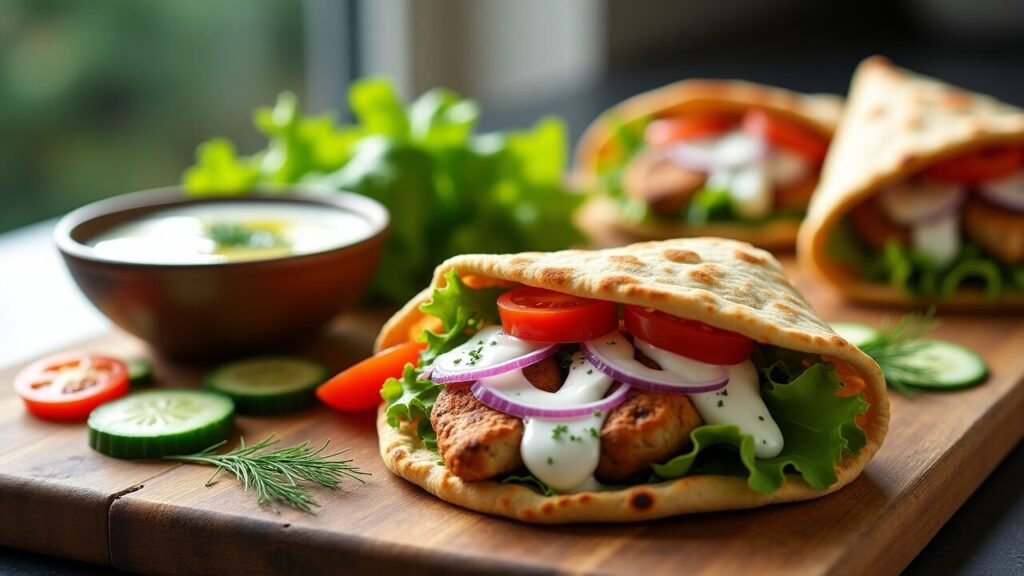
Introduction
There’s something magical about the combination of warm, pillowy pita bread stuffed with fresh vegetables and drizzled with cool, creamy tzatziki sauce. This Mediterranean-inspired meal brings together the best of both worlds – satisfying comfort food that’s also incredibly fresh and healthy. Whether you’re looking for a quick weeknight dinner, a satisfying lunch, or something special to serve guests, these pita pockets deliver every single time.
What makes this recipe truly special is how customizable it is. You can stuff these pockets with whatever proteins and vegetables you have on hand, making it perfect for using up leftovers or accommodating different dietary preferences. The star of the show, however, is the homemade tzatziki sauce. Made with thick Greek yogurt, fresh cucumber, garlic, and herbs, it adds a tangy, cooling element that transforms simple ingredients into something extraordinary.
The beauty of pita pockets lies in their simplicity. You don’t need any fancy cooking techniques or hard-to-find ingredients. Most items are probably already in your kitchen, and the entire meal comes together in under 30 minutes. Plus, they’re naturally portable, making them ideal for packed lunches, picnics, or casual entertaining.
In this comprehensive guide, you’ll learn how to make authentic tzatziki from scratch, discover the best techniques for warming and filling pita bread, and explore countless variations to keep this recipe exciting meal after meal. We’ll also cover storage tips, nutritional information, and answer the most common questions about making perfect pita pockets at home.
Ingredients Breakdown
For the Tzatziki Sauce:
Greek Yogurt (1 cup) – The foundation of authentic tzatziki. Use full-fat Greek yogurt for the richest, creamiest texture. The thick consistency is crucial for preventing soggy pita bread.
English Cucumber (1 medium) – English cucumbers work best because they have fewer seeds and thinner skin. The key is removing excess moisture by salting and draining the grated cucumber.
Fresh Garlic (2-3 cloves) – Provides that signature Mediterranean punch. Mince it finely or use a garlic press for the smoothest texture.
Fresh Dill (2 tablespoons) – The traditional herb for tzatziki. Fresh dill makes a noticeable difference compared to dried, offering bright, grassy notes.
Lemon Juice (1 tablespoon) – Adds brightness and helps balance the richness of the yogurt. Fresh lemon juice is preferred over bottled.
Extra Virgin Olive Oil (1 tablespoon) – Use good quality olive oil for the best flavor. It adds richness and helps bind the ingredients.
Salt (1/2 teaspoon) – Enhances all the other flavors and helps draw moisture from the cucumber.
For the Pita Pockets:
Pita Bread (4 large rounds) – Look for pita bread that’s soft and pliable. Avoid overly dry or cracked pieces that might tear when filled.
Chicken Breast (1 pound) – Boneless, skinless chicken breast works perfectly when seasoned and grilled or pan-seared. You can substitute with leftover rotisserie chicken.
Red Onion (1/2 medium) – Provides a sharp, slightly sweet crunch. Slice it thinly for the best texture.
Cucumber (1 medium) – Different from the tzatziki cucumber, this one gets sliced for filling. Regular cucumbers work fine here.
Cherry Tomatoes (1 cup) – Their sweetness balances the tangy tzatziki. Cut them in half to prevent rolling out of the pocket.
Lettuce (4 cups) – Choose crisp varieties like romaine or iceberg. The crunch adds texture contrast to the soft pita and creamy sauce.
Feta Cheese (1/2 cup, crumbled) – Adds salty, tangy flavor that complements the other Mediterranean ingredients. Buy a block and crumble it yourself for better texture.
Common Substitutions:
- Replace chicken with grilled lamb, beef, or turkey
- Use plant-based Greek yogurt for vegan tzatziki
- Substitute regular yogurt strained overnight for Greek yogurt
- Try whole wheat pita for added fiber
- Replace feta with goat cheese or omit for dairy-free option
Step-by-Step Instructions
1. Prepare the Tzatziki Sauce
Start by grating the English cucumber using the large holes of a box grater. Place the grated cucumber in a fine-mesh strainer, sprinkle with 1/2 teaspoon of salt, and toss to combine. Let it sit for 15 minutes to draw out excess moisture. After 15 minutes, use your hands or a clean kitchen towel to squeeze out as much liquid as possible. This step is crucial for preventing watery tzatziki.
In a medium bowl, combine the drained cucumber with Greek yogurt, minced garlic, fresh dill, lemon juice, and olive oil. Stir everything together until well combined. Taste and adjust seasoning with additional salt, lemon juice, or garlic as needed. The tzatziki should be thick, creamy, and well-balanced between tangy and savory flavors.
2. Season and Cook the Chicken
While the cucumber is draining, prepare your chicken. Pat the chicken breasts dry with paper towels and season both sides generously with salt, black pepper, and a pinch of oregano or Mediterranean seasoning. Heat a large skillet over medium-high heat with a tablespoon of olive oil.
Cook the chicken breasts for 6-7 minutes per side, or until they reach an internal temperature of 165°F. The exact cooking time will depend on the thickness of your chicken breasts. Let the cooked chicken rest for 5 minutes before slicing it into thin strips or bite-sized pieces.
3. Prepare the Fresh Vegetables
While the chicken cooks, prepare your vegetables. Slice the red onion into thin half-moons and soak them in cold water for 10 minutes to mellow their sharpness. Slice the cucumber into rounds about 1/4 inch thick. Halve the cherry tomatoes and wash and dry the lettuce leaves. Having all your vegetables prepped and ready makes assembly much easier.
4. Warm the Pita Bread
Proper pita warming makes a huge difference in the final result. You can warm pita bread several ways: wrap them in damp paper towels and microwave for 30 seconds, heat them in a dry skillet for 30 seconds per side, or wrap in foil and warm in a 350°F oven for 5 minutes. The goal is to make them soft and pliable without making them tough or dried out.
5. Assemble the Pita Pockets
Carefully open each pita pocket by gently separating the layers with a knife if needed. Start by spreading a generous layer of tzatziki inside each pocket – about 2-3 tablespoons per pita. Next, add the lettuce leaves to create a base layer that helps prevent the bread from getting soggy.
Layer in the sliced chicken, followed by cucumber slices, halved cherry tomatoes, and drained red onion. Sprinkle crumbled feta cheese over the filling, then add another dollop of tzatziki on top. Be generous with the fillings, but don’t overstuff to the point where the pita tears.
6. Final Assembly and Serving
Gently fold the filled pita in half, being careful not to squeeze out the filling. If desired, wrap the bottom half in foil or parchment paper to make eating easier and prevent dripping. Serve immediately while the pita is still warm and the vegetables are crisp.
7. Make-Ahead Tips
The tzatziki sauce actually improves in flavor when made a few hours ahead or even the day before serving. Store it covered in the refrigerator and give it a good stir before using. You can also prep all your vegetables and cook the chicken in advance, storing everything separately in the refrigerator until ready to assemble.
Tips and Variations
Expert Tips for Perfect Pita Pockets:
- Always drain your cucumber thoroughly for tzatziki – this prevents watery sauce that makes soggy pita
- Warm pita bread just before serving for the best texture and flavor
- Don’t overfill the pockets; it’s better to make an extra pita than to have them tear
- Layer ingredients strategically with lettuce as a moisture barrier
- Serve tzatziki on the side as well as inside the pockets for extra dipping
Protein Variations:
Grilled Lamb – Season lamb with rosemary, garlic, and lemon for authentic Greek flavors. Cook to medium-rare and slice thinly.
Falafel – Use store-bought or homemade falafel for a vegetarian option. Warm them before adding to the pockets.
Grilled Shrimp – Marinate shrimp in olive oil, lemon, and herbs before grilling. Perfect for a lighter summer meal.
Leftover Turkey or Ham – Great way to use holiday leftovers. Slice thin and warm gently if desired.
Vegetarian and Vegan Options:
Create fully plant-based pita pockets by using chickpea-based tzatziki made with cashew or coconut yogurt. Add roasted vegetables like eggplant, zucchini, or bell peppers for extra substance. Hummus also makes an excellent creamy base instead of tzatziki.
Mediterranean Fusion Ideas:
- Add kalamata olives and sun-dried tomatoes for more Greek flavors
- Include roasted red peppers for sweetness and color
- Try adding pickled vegetables for tangy crunch
- Sprinkle with za’atar seasoning for Middle Eastern flair
Make It Heartier:
Transform this into a more filling meal by adding cooked rice, quinoa, or bulgur wheat to the pockets. Roasted potatoes also work wonderfully and add Mediterranean comfort food appeal.
Serving Suggestions
Perfect Side Dishes:
Greek Village Salad – A simple salad of tomatoes, cucumbers, olives, and feta dressed with olive oil and red wine vinegar complements the pita pockets beautifully.
Lemon Rice Pilaf – Fluffy rice cooked with chicken broth and finished with lemon juice and fresh herbs makes an excellent side.
Roasted Mediterranean Vegetables – Zucchini, eggplant, and bell peppers roasted with olive oil and herbs add color and nutrition to the meal.
Warm Pita Chips – Cut extra pita into triangles, brush with olive oil, and bake until crispy for a crunchy side.
Beverage Pairings:
The fresh, herbaceous flavors of these pita pockets pair wonderfully with crisp white wines like Sauvignon Blanc or Pinot Grigio. For non-alcoholic options, try sparkling water with lemon, iced tea with mint, or traditional Greek frappe coffee.
Presentation Ideas:
Serve pita pockets on a large wooden board alongside small bowls of extra tzatziki, olives, and pickled vegetables for a Mediterranean mezze-style presentation. Garnish with fresh herbs and lemon wedges for a restaurant-quality look.
Theme Night Ideas:
Make it a full Mediterranean dinner by starting with hummus and vegetables, serving the pita pockets as the main course, and finishing with Greek yogurt topped with honey and nuts for dessert.
Storage and Reheating Instructions
Refrigerator Storage:
Store leftover components separately for the best quality. Cooked chicken will keep for 3-4 days in the refrigerator, while tzatziki stays fresh for up to 5 days. Cut vegetables should be used within 2-3 days for optimal freshness and crunch.
Already assembled pita pockets don’t store well due to the bread becoming soggy, so it’s best to keep components separate and assemble fresh servings as needed.
Freezer Storage:
The tzatziki sauce doesn’t freeze well due to the yogurt separating when thawed. However, you can freeze cooked chicken for up to 3 months. Thaw overnight in the refrigerator before using.
Pita bread freezes excellently for up to 3 months. Wrap individual pita rounds in plastic wrap, then place in a freezer bag. Thaw at room temperature and warm before using.
Reheating Instructions:
Cooked Chicken – Reheat gently in the microwave for 30-60 seconds or in a skillet over low heat until warmed through. Add a splash of chicken broth to prevent drying out.
Pita Bread – Refresh day-old pita by wrapping in a damp paper towel and microwaving for 20-30 seconds, or warming in a 300°F oven for 2-3 minutes.
Tzatziki – Always serve tzatziki cold. If it seems thick after refrigeration, stir in a teaspoon of cold water to restore the proper consistency.
Recipe Notes
Prep-Ahead Tips:
- Tzatziki tastes better when made at least 2 hours ahead, allowing flavors to meld
- Chicken can be cooked up to 2 days in advance and stored refrigerated
- Vegetables can be prepped the morning of serving day
- Assemble pockets just before serving for the best texture
Equipment Recommendations:
- A good box grater is essential for properly grating cucumber
- A fine-mesh strainer helps drain cucumber effectively
- A meat thermometer ensures perfectly cooked chicken
- Sharp knife for clean vegetable cuts
Ingredient Quality Tips:
- Use the thickest Greek yogurt you can find – look for brands with minimal ingredients
- Fresh herbs make a noticeable difference over dried
- Quality olive oil enhances the overall flavor profile
- Choose pita bread that’s soft and fresh, not dried out
Troubleshooting Common Issues:
Watery Tzatziki – This happens when cucumber isn’t drained properly. Next time, salt the cucumber longer and squeeze out more moisture.
Torn Pita – Usually caused by overfilling or using stale bread. Warm the pita and don’t overstuff.
Bland Flavor – Taste and adjust seasoning. Mediterranean food relies on good salt balance and fresh herbs.
Nutrition Information (Per Serving)
| Nutrient | Amount |
|---|---|
| Calories | 425 |
| Total Fat | 12g |
| Saturated Fat | 4g |
| Carbohydrates | 35g |
| Sugar | 8g |
| Fiber | 5g |
| Protein | 35g |
| Sodium | 680mg |
| Cholesterol | 85mg |
| Calcium | 180mg |
| Iron | 3mg |
Nutrition information is an estimate and may vary based on specific ingredients used.
Recipe Card Summary
Course: Main Dish
Cuisine: Mediterranean/Greek
Servings: 4
Prep Time: 20 minutes
Cook Time: 15 minutes
Total Time: 35 minutes
Ingredients:
For Tzatziki:
- 1 cup Greek yogurt
- 1 medium English cucumber, grated
- 2-3 cloves garlic, minced
- 2 tablespoons fresh dill, chopped
- 1 tablespoon lemon juice
- 1 tablespoon olive oil
- 1/2 teaspoon salt
For Pita Pockets:
- 4 large pita bread rounds
- 1 pound chicken breast
- 1/2 medium red onion, thinly sliced
- 1 medium cucumber, sliced
- 1 cup cherry tomatoes, halved
- 4 cups lettuce leaves
- 1/2 cup feta cheese, crumbled
Instructions:
- Grate cucumber, salt, and drain for 15 minutes. Squeeze out excess moisture.
- Mix drained cucumber with yogurt, garlic, dill, lemon juice, and olive oil.
- Season and cook chicken until internal temperature reaches 165°F. Rest and slice.
- Prepare all vegetables by slicing and washing.
- Warm pita bread until soft and pliable.
- Spread tzatziki in pockets, add lettuce, then layer chicken and vegetables.
- Top with feta and extra tzatziki. Serve immediately.
Notes:
- Tzatziki improves in flavor when made ahead
- Drain cucumber thoroughly to prevent watery sauce
- Store components separately for best results
- Can substitute any protein or make vegetarian
Diet Tags
Gluten-Free Option: Use gluten-free pita bread or serve filling over rice or in lettuce cups
Low-Carb Option: Skip the pita and serve filling in lettuce wraps or over cauliflower rice
High-Protein: This recipe provides 35g of protein per serving, making it excellent for muscle building and satiety
Mediterranean Diet: Perfectly aligned with Mediterranean eating patterns, rich in vegetables, lean protein, and healthy fats
Health Benefits
Probiotics from Greek Yogurt: Support digestive health and immune function through beneficial bacteria
High Protein Content: Helps maintain muscle mass and keeps you satisfied longer
Vegetable Nutrients: Cucumbers provide hydration and potassium, tomatoes offer lycopene and vitamin C
Healthy Fats: Olive oil provides monounsaturated fats that support heart health
Fresh Herbs: Dill contains antioxidants and may have anti-inflammatory properties
Low Processed Ingredients: Made with whole, recognizable ingredients without artificial additives
Frequently Asked Questions
1. Can I make tzatziki without Greek yogurt?
Yes, you can strain regular yogurt overnight through cheesecloth or coffee filters to achieve a similar thick consistency. Alternatively, use full-fat sour cream mixed with a little lemon juice, though the flavor will be different. For dairy-free options, thick coconut yogurt or cashew-based yogurt work well.
2. How do I prevent my pita from getting soggy?
The key is properly draining your cucumber for the tzatziki and using lettuce as a moisture barrier inside the pocket. Spread tzatziki sparingly and serve immediately after assembly. Also, make sure your vegetables are completely dry after washing.
3. Can I prepare these pita pockets for meal prep?
It’s best to store all components separately and assemble just before eating. Pack tzatziki, cooked chicken, and vegetables in separate containers. Warm the pita and assemble fresh for the best texture and flavor. This way, they’ll stay fresh for 3-4 days.
4. What’s the best way to reheat leftover chicken?
Gently reheat chicken in the microwave for 30-60 seconds or in a skillet over low heat. Add a splash of chicken broth or water to prevent it from drying out. Avoid overcooking, which makes the chicken tough.
5. Can I freeze assembled pita pockets?
Assembled pita pockets don’t freeze well because the vegetables release moisture and the bread becomes soggy when thawed. However, you can freeze cooked chicken for up to 3 months and pita bread freezes excellently. Make fresh tzatziki when you’re ready to serve.
Final Thoughts
These pita pockets with homemade tzatziki represent everything wonderful about Mediterranean cooking – fresh ingredients, bold flavors, and simple techniques that create something truly special. The combination of warm, pillowy pita bread filled with crisp vegetables, tender chicken, and that cooling, garlicky tzatziki sauce creates a meal that’s both satisfying and refreshing.
What makes this recipe particularly special is its versatility. Whether you’re cooking for a family dinner, preparing lunch for the week, or entertaining friends, these pita pockets adapt beautifully to your needs. They’re equally delicious with grilled vegetables for vegetarians, leftover turkey for post-holiday meals, or premium ingredients when you want to impress guests.
The homemade tzatziki truly elevates this dish from good to exceptional. Once you taste the difference that fresh herbs, properly drained cucumber, and quality Greek yogurt make, you’ll never want to go back to store-bought versions. Plus, making it yourself allows you to control the garlic level and adjust the seasoning to your personal taste.
Don’t be surprised if this becomes one of your go-to recipes for busy weeknights or casual entertaining. The prep work is minimal, the cooking is straightforward, and the results are consistently delicious. Your family will love the fresh, vibrant flavors, and you’ll appreciate having a healthy, satisfying meal that comes together so easily.
Whether you’re feeding a crowd or just craving something fresh and flavorful, these pita pockets with tzatziki are sure to hit the spot. Give this recipe a try and let me know how it turns out for you – I’d love to hear about any creative variations you come up with or how your family enjoys this Mediterranean favorite.