
Easy Tofu Curry Recipe | Creamy & Flavorful Plant-Based Meal
Introduction
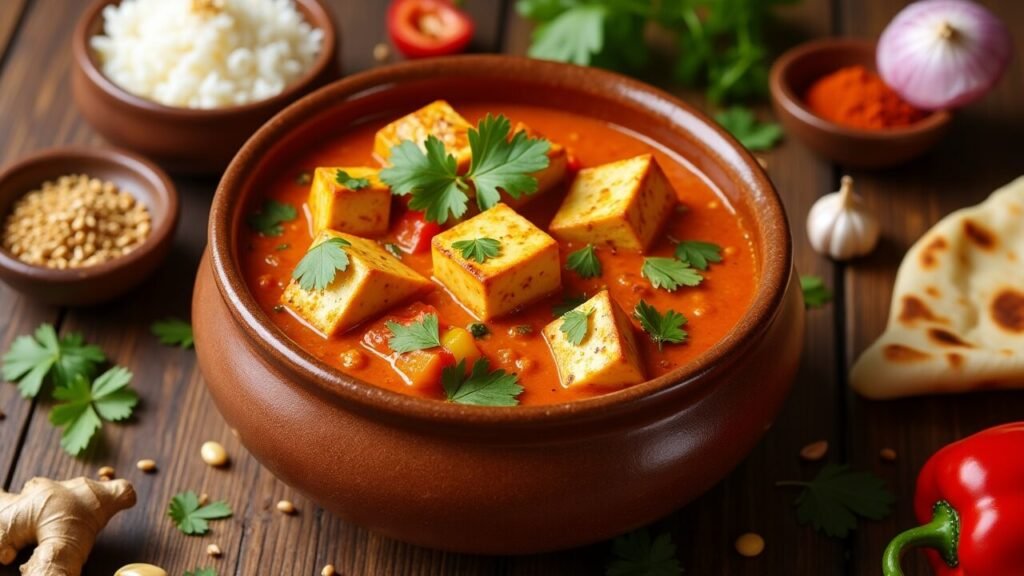
When you want a dinner that’s both deeply satisfying and wonderfully healthy, tofu curry delivers an explosion of aromatic spices, creamy coconut richness, and protein-packed nutrition in one gorgeous bowl. This vibrant dish transforms humble tofu into something extraordinary through the magic of traditional curry spices, creating layers of complex flavor that will convert even the most devoted meat-eaters. Each spoonful offers the perfect balance of creamy coconut milk, tender tofu, and warming spices that make this comfort food at its finest.
What makes tofu curry so brilliantly appealing? Unlike heavy meat-based curries that can leave you feeling sluggish, this plant-based version provides satisfying protein while remaining light and energizing. The tofu acts like a flavor sponge, absorbing all the aromatic spices and creamy sauce while adding substantial texture that makes the dish genuinely filling. It’s proof that plant-based meals can be every bit as satisfying and flavorful as their traditional counterparts.
The beauty of this recipe lies in its incredible versatility and approachable nature. Whether you’re a longtime vegetarian, exploring plant-based eating, or simply looking for a healthy weeknight dinner that doesn’t sacrifice flavor, this curry adapts beautifully to your needs and preferences. It comes together in just 30 minutes, uses pantry-friendly spices, and can be customized with whatever vegetables you have on hand.
This tofu curry works equally well for meal prep enthusiasts who want something that improves with time, families looking for a dinner that pleases everyone, or dinner party hosts seeking an impressive dish that happens to be vegan. It’s the kind of recipe that proves healthy eating can be both delicious and deeply satisfying.
In this comprehensive guide, you’ll discover the secrets to achieving perfectly textured tofu that holds its shape, building complex curry flavors from simple spices, balancing creaminess and heat, and creating a dish that rivals your favorite Indian restaurant.
Ingredients Breakdown
For the Tofu:
Firm or extra-firm tofu (28 oz, 2 blocks): The protein star of the dish. Choose firm or extra-firm tofu for the best texture – it holds its shape during cooking and absorbs flavors beautifully. Avoid silken tofu, which will break apart. Press the tofu to remove excess water for better texture and flavor absorption.
Cornstarch (2 tablespoons): Creates a light coating that helps the tofu develop a golden exterior and prevents it from falling apart in the curry. This simple step makes a huge difference in the final texture.
Vegetable oil (2 tablespoons): For pan-frying the tofu. Use a neutral oil with a high smoke point like canola, vegetable, or avocado oil.
For the Curry Base:
Yellow onion (1 large, diced): Provides sweet, aromatic foundation for the curry. Yellow onions caramelize beautifully and create the base flavor that supports all the spices.
Garlic (6 cloves, minced): Essential for authentic curry flavor. Fresh garlic provides the pungent depth that makes curry so aromatic and satisfying.
Fresh ginger (2 tablespoons, minced): Adds warming heat and aromatic complexity. Use fresh ginger root – dried ginger powder doesn’t provide the same bright, zingy flavor.
Curry powder (2 tablespoons): The spice blend that gives the curry its distinctive flavor. Use a high-quality curry powder for the best results, or make your own blend.
Ground cumin (1 teaspoon): Adds earthy, warm notes that deepen the curry’s complexity.
Ground coriander (1 teaspoon): Provides citrusy, slightly sweet notes that balance the other spices.
Turmeric (1 teaspoon): Gives the curry its beautiful golden color and adds earthy flavor plus anti-inflammatory benefits.
Paprika (1 teaspoon): Adds mild heat and rich red color. Use sweet paprika unless you prefer more heat.
Cayenne pepper (1/4 teaspoon, adjust to taste): Provides heat – start with less and add more as desired.
For the Sauce:
Coconut milk (1 can, 14 oz, full-fat): Creates the rich, creamy base that makes this curry so satisfying. Full-fat coconut milk is essential for proper texture and flavor. Shake the can before opening.
Diced tomatoes (1 can, 14.5 oz): Adds acidity, sweetness, and body to the sauce. The tomatoes help balance the richness of the coconut milk.
Tomato paste (2 tablespoons): Concentrates tomato flavor and adds depth. Cook it briefly with the spices to develop its flavor.
Vegetable broth (1/2 cup): Helps achieve the right consistency and adds extra flavor. Use low-sodium broth to control salt levels.
Brown sugar (1 tablespoon): Balances the acidity from tomatoes and adds subtle sweetness that rounds out the flavors.
Salt (1 teaspoon, or to taste): Essential for bringing out all the other flavors. Add gradually and taste as you go.
For the Vegetables:
Bell peppers (1 red, 1 yellow, sliced): Add color, sweetness, and crunch. Cut into strips that will hold their shape during cooking.
Spinach (4 cups fresh, or 1 cup frozen): Adds nutrients, color, and wilts down to create a perfect addition to the curry.
Optional Garnishes:
- Fresh cilantro, chopped
- Green chilies, sliced
- Lime wedges
- Coconut flakes
- Cashews, chopped
Dietary Substitutions:
- Gluten-free: Ensure curry powder and broth are certified gluten-free
- Oil-free: Water-sauté vegetables and bake tofu instead of frying
- Lower-fat: Use light coconut milk (texture will be thinner)
- Spice-sensitive: Reduce or omit cayenne pepper
- Soy-free: Substitute with chickpeas or cauliflower instead of tofu
Step-by-Step Instructions
Prepare the Tofu:
1. Press and Cut the Tofu Remove tofu from packaging and drain. Wrap in paper towels or a clean kitchen towel and place under a heavy object (like a cast iron pan) for 15-30 minutes to press out excess water. Cut into 3/4-inch cubes for the best size ratio in the curry.
2. Coat and Pan-Fry Toss the pressed tofu cubes with cornstarch until evenly coated. Heat 2 tablespoons oil in a large skillet or wok over medium-high heat. Add tofu cubes and cook for 2-3 minutes per side until golden brown on all sides. Remove and set aside on paper towels.
Build the Curry Base:
3. Sauté the Aromatics In the same pan (don’t clean it – those browned bits add flavor), add diced onion and cook for 5-6 minutes until softened and lightly golden. Add minced garlic and ginger, cooking for another minute until fragrant.
4. Toast the Spices Add curry powder, cumin, coriander, turmeric, paprika, and cayenne to the pan. Cook for 1-2 minutes, stirring constantly, until the spices are fragrant and toasted. This step is crucial for developing deep flavor.
5. Add Tomato Paste Stir in tomato paste and cook for another minute, letting it darken slightly and become aromatic. This concentrates the tomato flavor and adds richness to the base.
Create the Sauce:
6. Add Liquids Pour in the coconut milk, diced tomatoes (with juice), and vegetable broth. Stir well to combine, scraping up any browned bits from the bottom of the pan. Add brown sugar and salt.
7. Simmer and Develop Flavors Bring the mixture to a gentle boil, then reduce heat to low and simmer for 10-15 minutes, stirring occasionally, until the sauce thickens slightly and the flavors meld together.
Final Assembly:
8. Add Vegetables and Tofu Add the bell pepper strips and cook for 3-4 minutes until they start to soften but still have some crunch. Gently fold in the pan-fried tofu, being careful not to break the pieces.
9. Finish with Greens Add the spinach and cook just until wilted, about 1-2 minutes. If using frozen spinach, make sure it’s thawed and drained first.
10. Final Seasoning Taste and adjust seasonings – add more salt, curry powder, or cayenne as needed. The curry should be rich, aromatic, and well-balanced between creamy, spicy, and savory.
11. Serve Immediately Garnish with fresh cilantro and serve hot over steamed rice, with naan bread, or with your favorite grain. Provide lime wedges on the side for extra brightness.
Tips and Variations
Expert Tips for Perfect Results:
- Press tofu properly: Well-pressed tofu absorbs more flavor and holds together better
- Don’t skip the spice toasting: This step develops complex flavors that can’t be achieved otherwise
- Use full-fat coconut milk: Light versions won’t provide the same rich, creamy texture
- Taste as you go: Adjust spices throughout cooking for the best flavor balance
- Let it simmer: Don’t rush the sauce development – simmering melds all the flavors
Tofu Preparation Variations:
Marinated Tofu: Marinate cubed tofu in soy sauce, ginger, and garlic for 30 minutes before coating and frying
Baked Tofu: Toss with cornstarch and bake at 400°F for 25-30 minutes for oil-free version
Crispy Coating: Use a mixture of cornstarch and flour for extra crispy exterior
Flavor Infusion: Add tofu to the curry earlier in the cooking process for deeper flavor penetration
Texture Variety: Use a mix of firm and extra-firm tofu for varied textures
Spice Blend Customizations:
Mild Version: Reduce curry powder to 1 tablespoon, omit cayenne, add more coconut milk
Extra Spicy: Add fresh chilies, increase cayenne, include garam masala
Thai-Style: Replace curry powder with Thai red curry paste, add lemongrass and Thai basil
Malaysian-Inspired: Include galangal, lemongrass, and kaffir lime leaves
Moroccan Twist: Add cinnamon, ginger, and preserved lemons
Vegetable Variations:
Root Vegetables: Include potatoes, sweet potatoes, or carrots (add early for longer cooking)
Summer Vegetables: Zucchini, eggplant, and green beans work beautifully
Protein Additions: Include chickpeas, lentils, or cashews for extra protein
Leafy Greens: Swap spinach for kale, collard greens, or chard
Seasonal Adaptations: Use whatever vegetables are fresh and in season
Serving Suggestions
Tofu curry is wonderfully versatile and works beautifully with various accompaniments and presentation styles.
Traditional Asian Presentations:
- Serve over fluffy basmati or jasmine rice for classic pairing
- Accompany with warm naan, roti, or pita bread for scooping
- Present with brown rice or quinoa for healthier whole grain options
- Include papadums and pickles for authentic Indian restaurant experience
Healthy Bowl Options:
- Buddha bowl style: Serve over cauliflower rice with fresh vegetables
- Grain bowls: Layer over farro, bulgur, or wild rice with avocado
- Protein bowls: Add extra chickpeas or edamame for plant-based protein
- Rainbow bowls: Include colorful raw vegetables for crunch and nutrients
Bread and Grain Pairings:
- Flatbreads: Naan, roti, chapati, or pita for traditional scooping
- Rice varieties: Basmati, jasmine, brown rice, or coconut rice
- Ancient grains: Quinoa, farro, or bulgur for nutty flavor and nutrition
- Low-carb options: Cauliflower rice or zucchini noodles
Side Dish Combinations:
- Cooling sides: Cucumber raita, coconut chutney, or plain yogurt
- Pickled vegetables: Quick pickles or traditional Indian pickles
- Fresh elements: Sliced cucumbers, tomatoes, or fresh herbs
- Crunchy additions: Papadums, naan chips, or toasted nuts
Beverage Pairings:
- Traditional: Lassi (mango or plain), chai tea, or coconut water
- Wine: Light reds like Pinot Noir or crisp whites like Riesling
- Beer: Light lagers or wheat beers that won’t compete with spices
- Non-alcoholic: Sparkling water with lime, iced tea, or fruit juices
Storage and Reheating Instructions
Refrigerator Storage: Store leftover tofu curry in airtight containers in the refrigerator for up to 4 days. The flavors actually improve after a day as the spices have time to meld together. The tofu will continue to absorb the curry flavors, making leftovers even more delicious.
Freezer Storage: Tofu curry freezes well for up to 3 months, though the texture of the tofu may change slightly, becoming more porous and chewy. This isn’t necessarily bad – many people prefer the texture after freezing. Cool completely before freezing and store in freezer-safe containers.
Reheating Instructions:
- Stovetop: Reheat gently over medium-low heat, stirring occasionally and adding liquid if needed
- Microwave: Heat in 1-2 minute intervals, stirring between, until heated through
- Oven: Reheat covered at 350°F until warmed through, about 15-20 minutes
- Slow cooker: Transfer to slow cooker on low for gentle reheating
Texture Maintenance: If the curry becomes too thick during storage, thin it with coconut milk, vegetable broth, or water when reheating. If it seems too thin, simmer uncovered for a few minutes to reduce and concentrate.
Make-Ahead Strategies:
- Full preparation: Make up to 3 days ahead for even better flavor
- Component prep: Press tofu and prepare vegetables up to 2 days ahead
- Spice paste: Make a large batch of the garlic-ginger-spice paste and freeze in ice cube trays
- Batch cooking: Double the recipe and freeze half for future meals
Meal Prep Tips:
- Store curry and rice separately to prevent the rice from becoming mushy
- Pack fresh garnishes separately to maintain their texture and color
- Portion into individual containers for grab-and-go lunches
- Include lime wedges or fresh cilantro for brightening when serving
Recipe Notes
Tofu Selection and Preparation: The key to great tofu curry is starting with the right tofu and preparing it properly. Firm or extra-firm tofu holds its shape best during cooking. Pressing removes excess water, allowing the tofu to absorb more flavor and develop a better texture when pan-fried.
Spice Quality and Freshness: The flavor of your curry depends heavily on the quality and freshness of your spices. Whole spices that you grind yourself provide the best flavor, but high-quality pre-ground spices work well too. Replace curry powder and ground spices every 6-12 months for optimal flavor.
Coconut Milk Consistency: Full-fat coconut milk is essential for the rich, creamy texture that makes this curry satisfying. The cream often separates and solidifies at the top of the can – this is normal and actually indicates quality. Stir or whisk to recombine before using.
Heat Level Management: Curry powder blends vary significantly in heat level. Start with the recommended amounts and adjust to taste. Remember that the heat will develop and intensify as the curry simmers, so taste periodically and adjust as needed.
Troubleshooting Common Issues:
- Bland curry: Usually needs more salt, acid (lime juice), or spice toasting time
- Too spicy: Add more coconut milk, sugar, or dairy-free yogurt to cool it down
- Watery consistency: Simmer uncovered to reduce and concentrate flavors
- Broken tofu: Handle gently and ensure it’s well-pressed before cooking
- Bitter flavor: May have burned the spices – start over with lower heat
Nutrition Information (Per Serving)
Based on 6 servings without rice
| Nutrient | Amount |
|---|---|
| Calories | 285 |
| Total Fat | 18g |
| Saturated Fat | 12g |
| Carbohydrates | 18g |
| Sugar | 10g |
| Dietary Fiber | 5g |
| Protein | 16g |
| Sodium | 485mg |
| Cholesterol | 0mg |
| Calcium | 185mg |
| Iron | 4.2mg |
| Potassium | 685mg |
| Vitamin A | 2,850 IU |
| Vitamin C | 85mg |
| Vitamin K | 125mcg |
| Folate | 85mcg |
| Magnesium | 95mg |
| Manganese | 1.8mg |
| Isoflavones | 35mg |
Nutrition information is an estimate and may vary based on specific ingredients and portion sizes used.
Recipe Card Summary
Course: Main Dish
Cuisine: Indian-inspired, Vegan
Servings: 6
Prep Time: 20 minutes
Cook Time: 25 minutes
Total Time: 45 minutes
Ingredients:
- 28 oz firm tofu, pressed and cubed
- 2 tbsp cornstarch
- 2 tbsp vegetable oil
- 1 large onion, diced
- 6 cloves garlic, minced
- 2 tbsp fresh ginger, minced
- 2 tbsp curry powder
- 1 tsp each: cumin, coriander, turmeric, paprika
- 1/4 tsp cayenne pepper
- 1 can full-fat coconut milk
- 1 can diced tomatoes
- 2 tbsp tomato paste
- 1/2 cup vegetable broth
- 1 tbsp brown sugar
- 1 tsp salt
- 2 bell peppers, sliced
- 4 cups fresh spinach
Instructions:
- Press tofu 15-30 minutes, cut into cubes, coat with cornstarch
- Pan-fry tofu until golden, set aside
- Sauté onion, then add garlic and ginger
- Toast spices 1-2 minutes until fragrant
- Add tomato paste, cook 1 minute
- Add coconut milk, tomatoes, broth, sugar, and salt
- Simmer 10-15 minutes until thickened
- Add bell peppers, cook 3-4 minutes
- Return tofu, add spinach, cook until wilted
- Adjust seasoning and serve over rice
Notes: Press tofu well for best texture. Don’t skip spice toasting step. Use full-fat coconut milk. Adjust spices to taste. Improves with time.
Nutrition: See detailed nutrition table above
Diet Tags
- Vegan
- Vegetarian
- Plant-Based
- Dairy-Free
- Gluten-Free (check ingredients)
- High-Protein
- High-Fiber
- Anti-Inflammatory
- Comfort Food
- Make-Ahead Friendly
Health Benefits
Complete Plant Protein: Tofu provides all essential amino acids, making this a complete protein source that supports muscle maintenance and growth.
Heart-Healthy Fats: Coconut milk provides medium-chain triglycerides (MCTs) that may support heart health and metabolism.
Anti-Inflammatory Spices: Turmeric, ginger, and other curry spices contain compounds that may help reduce inflammation in the body.
Isoflavone Benefits: Tofu contains isoflavones, plant compounds that may support heart health and hormone balance.
Antioxidant Rich: Colorful vegetables and spices provide antioxidants that help protect cells from damage.
Fiber Source: Vegetables and legumes contribute fiber for digestive health and blood sugar regulation.
Iron and Calcium: Tofu and leafy greens provide plant-based sources of these essential minerals.
Low Cholesterol: Naturally cholesterol-free while providing satisfying protein and healthy fats.
FAQs
1. How do I prevent my tofu from falling apart in the curry? The key is proper preparation: press the tofu well to remove excess water, use firm or extra-firm tofu, coat with cornstarch before frying, and handle gently when adding to the curry. Pan-frying creates a protective crust that helps the tofu hold together during simmering.
2. Can I make this curry less spicy for sensitive palates? Absolutely! Reduce or omit the cayenne pepper, use mild curry powder, and increase the coconut milk to mellow the heat. You can also add a bit more brown sugar or serve with cooling sides like yogurt or cucumber. Remember, you can always add heat, but it’s harder to remove it.
3. What can I substitute for coconut milk to make it lighter? You can use light coconut milk, though the texture will be thinner. Alternatively, try unsweetened cashew milk or a mixture of vegetable broth with a few tablespoons of tahini or cashew cream. The flavor will be different, but still delicious.
4. How long does this curry keep, and does it freeze well? The curry keeps for 4 days in the refrigerator and actually improves in flavor. It freezes well for up to 3 months, though the tofu texture may become more porous and chewy – many people actually prefer this texture. Cool completely before freezing and store in portion-sized containers.
5. Can I use different vegetables in this curry? Yes! This recipe is very flexible. Root vegetables like potatoes or sweet potatoes work well (add them early for longer cooking), as do zucchini, eggplant, green beans, or cauliflower. Just consider cooking times – harder vegetables need more time, while delicate ones should be added near the end.
Final Thoughts
Tofu curry represents the beautiful intersection of healthy eating and deeply satisfying comfort food. This vibrant dish proves that plant-based meals can be every bit as rich, flavorful, and satisfying as their traditional counterparts, while offering the added benefits of being lighter, more sustainable, and incredibly nutritious.
What makes this curry truly special is how it showcases tofu at its absolute best – not as a meat substitute, but as a wonderful ingredient in its own right that absorbs flavors beautifully and provides substantial, satisfying protein. The combination of aromatic spices, creamy coconut milk, and perfectly textured tofu creates a meal that’s both nourishing and deeply comforting.
From a practical standpoint, this recipe offers incredible value for busy home cooks. It comes together quickly, uses accessible ingredients, improves with time, and provides multiple meals worth of leftovers that actually get better as the flavors develop. It’s the kind of recipe that builds confidence in plant-based cooking while delivering restaurant-quality results.
The versatility of tofu curry means it can easily adapt to your family’s preferences, dietary needs, and seasonal vegetable availability. Whether you’re feeding committed vegans, curious omnivores, or anyone in between, this curry has the power to change minds about plant-based eating through pure deliciousness.
So embrace the aromatic world of curry spices, give tofu the respect it deserves, and prepare to discover how this simple recipe can become one of your most treasured comfort food solutions. The techniques you learn and the flavors you create will open up a whole world of plant-based cooking possibilities that are both healthy and deeply satisfying!