
Jajangmyeon (Black Bean Noodles)
Introduction
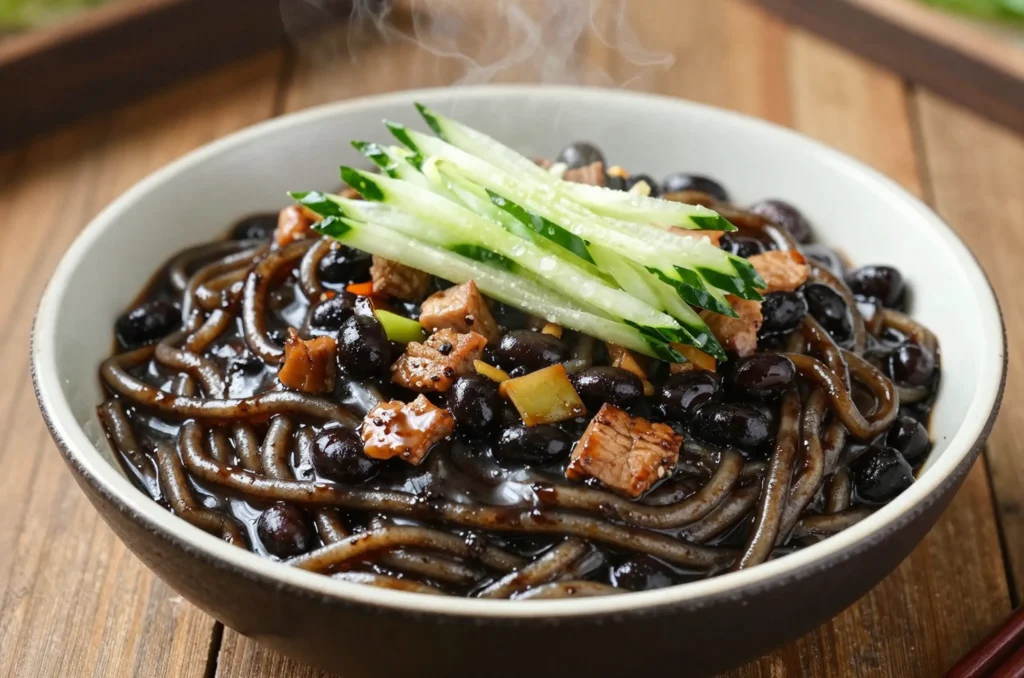
Jajangmyeon is one of the most comforting and well-loved Korean noodle dishes. It is known for its thick, glossy black bean sauce poured generously over chewy noodles. The flavor is deep, slightly sweet, and savory, making it satisfying without being too spicy or overwhelming.
This dish is often associated with casual family meals, celebrations, and comfort food moments. While it may look complex at first, jajangmyeon is very manageable for beginner cooking learners when broken down step by step. The key is understanding the sauce and cooking it slowly so the flavors develop naturally.
What makes jajangmyeon special is its balance. The sauce is rich but not heavy, the vegetables add sweetness and texture, and the noodles tie everything together. It is filling, warming, and enjoyable even for those new to Korean food.
In this article, you will learn how to make classic jajangmyeon at home with simple explanations, helpful tips, and easy variations. You will also learn how to store leftovers and avoid common mistakes so your noodles turn out smooth and flavorful every time.
Why You’ll Love This Recipe
This jajangmyeon recipe is beginner-friendly and forgiving. The steps are clear, and the cooking process is calm rather than rushed.
It uses basic ingredients that are easy to find in most Asian grocery stores, and many can be substituted if needed.
The dish is also very filling, making it perfect for lunch or dinner without needing many side dishes.
Most importantly, this recipe helps you learn how to build flavor slowly, which is an important skill for many savory dishes.
Ingredients Breakdown
Wheat Noodles
Fresh or dried wheat noodles work best for jajangmyeon. They should be thick enough to hold the sauce well. Cook them just until tender and rinse briefly to remove excess starch.
Chunjang (Black Bean Paste)
Chunjang is the base of the sauce. It is salty and slightly bitter on its own, which is why it is fried in oil before use. This step mellows the flavor and adds richness.
Pork Belly or Pork Shoulder
Pork adds depth and richness to the sauce. Pork belly gives the most flavor, while shoulder is slightly leaner. Cut into small cubes so it cooks evenly.
Onion
Onion adds sweetness and makes up a large part of the sauce. Dice it evenly so it softens properly.
Zucchini
Zucchini adds moisture and mild flavor. It balances the richness of the sauce.
Potato
Potato thickens the sauce naturally and adds heartiness. Dice it small so it cooks through.
Cabbage
Cabbage adds sweetness and texture. It softens into the sauce as it simmers.
Garlic
Garlic adds aroma and depth. Mince it finely so it blends into the sauce.
Sugar
Sugar balances the saltiness and bitterness of the black bean paste. Adjust to taste.
Soy Sauce
Soy sauce enhances savory flavor. Use lightly, as chunjang is already salty.
Water or Stock
Liquid helps the sauce simmer and thicken slowly. Water works well, but light stock adds more flavor.
Neutral Cooking Oil
Use vegetable or canola oil for frying the paste and cooking the sauce.
Cucumber (Garnish)
Fresh cucumber adds contrast and freshness when serving.
Substitution Options
For a vegetarian version, replace pork with mushrooms or tofu. The sauce still turns out rich and satisfying.
Step-by-Step Instructions
- Fry the Black Bean Paste
Heat oil in a pan over medium heat. Add chunjang and fry for 2 to 3 minutes, stirring constantly. This removes bitterness and deepens flavor. Remove from pan and set aside. - Cook the Pork
In the same pan, add a little more oil if needed. Add pork and cook until lightly browned and rendered. - Add Vegetables
Add onion, potato, zucchini, cabbage, and garlic. Cook for about 5 minutes until vegetables begin to soften. - Build the Sauce
Add the fried black bean paste back into the pan. Stir well so everything is coated evenly. - Simmer
Add water or stock, sugar, and soy sauce. Lower heat and simmer for 10 to 15 minutes, stirring occasionally, until sauce thickens. - Cook the Noodles
Boil noodles according to package instructions. Drain and rinse briefly. - Serve
Place noodles in a bowl and spoon the hot black bean sauce over the top. Garnish with cucumber.
Tips and Variations
Always fry the black bean paste first to improve flavor.
If sauce is too thick, add a little water.
If sauce is too thin, simmer uncovered for a few minutes longer.
For kids, reduce garlic and sugar slightly.
For adults, add chili oil or sliced chilies for heat.
You can add seafood like shrimp for variation.
Serving Suggestions
Serve jajangmyeon immediately while hot.
It pairs well with pickled radish or light soup.
For presentation, keep the sauce glossy and add fresh cucumber on top.
A simple iced tea or barley tea balances the richness well.
Storage and Reheating Instructions
Store sauce and noodles separately if possible.
Refrigerate sauce for up to 3 days.
Freeze sauce only for up to 1 month.
Reheat sauce in a pan with a splash of water.
Cook fresh noodles when serving again for best texture.
Recipe Notes
Cut vegetables evenly for consistent cooking.
Stir sauce regularly to prevent sticking.
Do not skip frying the paste.
Use a wide pan for even heat distribution.
Nutrition Information (Per Serving)
| Nutrient | Amount |
|---|---|
| Calories | 520 kcal |
| Fat | 22 g |
| Saturated Fat | 6 g |
| Carbohydrates | 60 g |
| Sugar | 8 g |
| Fiber | 6 g |
| Protein | 20 g |
| Sodium | 980 mg |
| Cholesterol | 65 mg |
| Calcium | 90 mg |
| Iron | 4.1 mg |
Nutrition information is an estimate and may vary based on specific ingredients used.
Recipe Card Summary
Course: Main
Cuisine: Korean
Servings: 3 to 4
Prep Time: 20 minutes
Cook Time: 25 minutes
Total Time: 45 minutes
Ingredients
Wheat noodles
Black bean paste
Pork
Onion
Zucchini
Potato
Cabbage
Garlic
Sugar
Soy sauce
Water
Cooking oil
Instructions
Fry paste
Cook pork
Add vegetables
Simmer sauce
Cook noodles
Serve
Notes
Fry paste for best flavor
Serve hot
Diet Tags: Dairy-Free, Comfort Food, Beginner-Friendly
Health Benefits
Vegetables provide fiber and vitamins.
Protein from pork supports muscle and energy.
Carbohydrates from noodles provide sustained energy.
Recommended Sauce
Jajangmyeon does not require extra sauce, but a little chili oil or vinegar can be added for personal taste.
Avoid These Mistakes During the Process
Do not skip frying the paste.
Do not overcook noodles.
Do not add too much sugar at once.
Do not rush the simmering step.
Frequently Asked Questions
- Is jajangmyeon spicy
No, it is savory and slightly sweet. - Can I make it vegetarian
Yes, replace pork with mushrooms or tofu. - Why is my sauce bitter
The paste may not have been fried long enough. - Can I prepare the sauce ahead of time
Yes, it stores well in the refrigerator. - What noodles work best
Thick wheat noodles hold the sauce best. - Is jajangmyeon good for beginners
Yes, the steps are clear and easy to follow.
Whether you’re feeding a crowd or just craving comfort food, this Jajangmyeon (Black Bean Noodles) recipe is sure to hit the spot. Let me know how it turns out for you in the comments below