
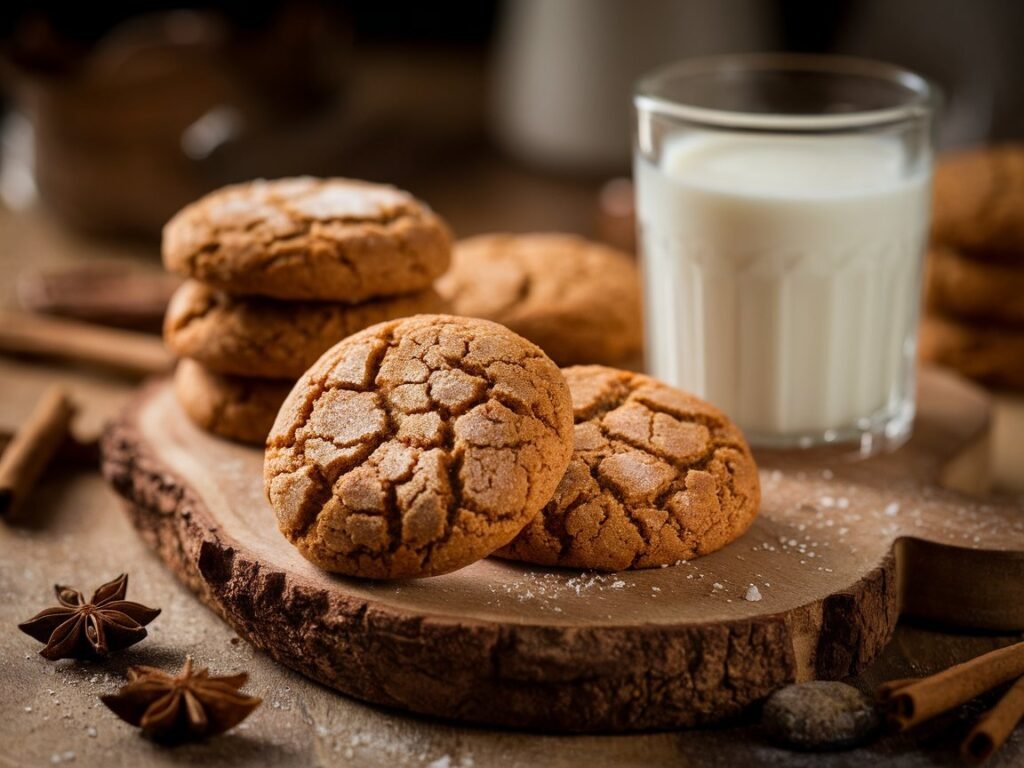
There’s something deeply satisfying about biting into a perfectly soft molasses cookie, where the rich sweetness of molasses mingles with warm spices like ginger, cinnamon, and cloves. These cookies transport you straight back to childhood winters, filling your kitchen with the most incredible aroma that somehow captures the essence of the holiday season in every single bite.
What makes molasses cookies truly special isn’t just their distinctive flavor – it’s their incredible texture. When done right, these cookies achieve that perfect balance between soft and chewy, with slightly crispy edges and a tender center that practically melts in your mouth. The signature crackled top, created by rolling the dough in coarse sugar before baking, adds both visual appeal and a delightful textural contrast.
This recipe delivers foolproof results every single time, whether you’re a seasoned baker or someone who rarely ventures beyond slice-and-bake cookies. The beauty of molasses cookies lies in their forgiving nature – the molasses keeps them moist and prevents overcooking, while the combination of spices creates layers of flavor that develop beautifully as the cookies cool.
You’ll discover exactly how to achieve that coveted soft texture, learn the secrets behind perfectly spiced dough, and master the techniques that ensure your cookies come out looking like they belong in a bakery display case. Plus, these cookies actually improve with time, making them perfect for holiday cookie exchanges, gift-giving, or simply keeping a batch on hand for those moments when you need something sweet and comforting.
Ingredients Breakdown
Understanding each ingredient’s role in molasses cookies helps you achieve bakery-quality results consistently. Every component works together to create the perfect balance of flavor, texture, and appearance.
All-Purpose Flour (2 1/4 cups): Forms the structure of your cookies. Measure flour correctly by spooning it into your measuring cup and leveling off with a knife – scooping directly from the bag can pack too much flour, resulting in tough cookies. For slightly more tender cookies, you can substitute up to 1/4 cup of flour with cornstarch.
Baking Soda (1 teaspoon): Creates lift and helps develop those characteristic crackles on top. The reaction between baking soda and the acidity in molasses produces carbon dioxide, which creates the cookies’ tender texture. Don’t substitute with baking powder – you need the specific reaction that baking soda provides.
Ground Ginger (1 tablespoon): The star spice that gives molasses cookies their distinctive warmth. Fresh ground ginger provides the best flavor, but pre-ground works perfectly fine. This generous amount creates the bold ginger flavor these cookies are known for.
Ground Cinnamon (1 teaspoon): Adds warmth and sweetness that complements the molasses beautifully. Ceylon cinnamon offers a more delicate flavor than cassia cinnamon, but either works well in this recipe.
Ground Cloves (1/2 teaspoon): Provides depth and complexity with its warm, slightly bitter notes. A little goes a long way with cloves – too much can overpower the other flavors. Freshly ground cloves offer more intensity than pre-ground.
Salt (1/2 teaspoon): Enhances all the other flavors and balances the sweetness. Don’t skip this – it makes a noticeable difference in the final flavor profile.
Unsalted Butter (3/4 cup, softened): Creates richness and helps achieve the perfect texture. Butter should be soft enough to leave a fingerprint when pressed but not melted or greasy. Room temperature butter creams properly with the sugar, creating the ideal cookie structure.
Brown Sugar (1/2 cup, packed): Adds moisture and caramel-like sweetness that pairs perfectly with molasses. Dark brown sugar provides more molasses flavor, while light brown sugar offers a milder taste. Pack it firmly into your measuring cup for accurate measurement.
Molasses (1/2 cup): The heart and soul of these cookies. Use unsulphured molasses for the best flavor – it’s milder and sweeter than sulphured molasses. Avoid blackstrap molasses, which can be too bitter for cookies. Light molasses works well if you prefer a milder flavor.
Large Egg (1): Binds the ingredients together and adds richness. Room temperature eggs incorporate more easily into the dough. If your egg is cold, place it in warm water for 5-10 minutes before using.
Vanilla Extract (1 teaspoon): Enhances the other flavors without competing with them. Pure vanilla extract provides better flavor than imitation vanilla.
Coarse Sugar for Rolling (1/2 cup): Creates the signature crackled appearance and adds a delightful crunch. Sanding sugar or coarse decorating sugar works best, but regular granulated sugar can be used if that’s what you have on hand.
Step-by-Step Instructions
Step 1: Prepare Your Workspace and Ingredients Preheat your oven to 375°F and line two baking sheets with parchment paper or silicone baking mats. Ensure your butter is properly softened and measure out all your ingredients before starting. This preparation step prevents rushing and ensures even mixing. Place the coarse sugar for rolling in a small bowl and set aside – you’ll need easy access to this during the shaping process.
Step 2: Mix the Dry Ingredients In a medium bowl, whisk together flour, baking soda, ginger, cinnamon, cloves, and salt until evenly combined. Whisking ensures the spices are distributed evenly throughout the flour, preventing pockets of intense spice in your finished cookies. Set this mixture aside while you prepare the wet ingredients.
Step 3: Cream Butter and Sugar In a large mixing bowl, use an electric mixer to cream the softened butter with brown sugar for 2-3 minutes until light and fluffy. This creaming process incorporates air into the mixture, contributing to the cookies’ tender texture. The mixture should look pale and increase in volume – don’t rush this step, as proper creaming is crucial for texture.
Step 4: Add Molasses and Egg Beat in the molasses, egg, and vanilla extract until fully incorporated. The mixture may look slightly curdled after adding the molasses – this is completely normal. Mix until everything is well combined and the mixture looks smooth. The molasses adds significant moisture and distinctive flavor while helping keep the cookies soft.
Step 5: Combine Wet and Dry Ingredients Gradually add the flour mixture to the butter mixture, mixing on low speed until just combined. Don’t overmix – stop as soon as you no longer see streaks of flour. Overmixing develops the gluten in flour, which can make your cookies tough rather than tender.
Step 6: Shape and Roll the Cookies Using a cookie scoop or your hands, form the dough into 1 1/2-inch balls – roughly the size of a walnut. Roll each ball in the coarse sugar until completely coated. This sugar coating is essential for creating those beautiful crackled tops as the cookies bake. Place the sugar-coated balls on your prepared baking sheets, spacing them about 2 inches apart to allow for spreading.
Step 7: Bake to Perfection Bake for 8-10 minutes, until the edges are set but the centers still look slightly underdone. The cookies will continue cooking on the hot pan after removal from the oven, so slight underbaking ensures they stay soft and chewy. Let them cool on the baking sheet for 5 minutes before transferring to a wire rack – this prevents breaking while they’re still very soft.
Tips and Variations
Expert Baking Tips: Temperature control makes all the difference in molasses cookies. Ensure your oven runs true to temperature by using an oven thermometer – even a 25-degree difference can affect texture significantly. Slightly underbaking creates the perfect soft, chewy texture, while overbaking results in crispy cookies.
Chilling the dough for 30 minutes before shaping makes handling easier and can help prevent excessive spreading. If your kitchen is particularly warm, this step becomes even more important for maintaining proper cookie shape.
Spice Variations: Create your own signature blend by adjusting the spice ratios. Add 1/4 teaspoon of nutmeg for warmth, or include a pinch of cardamom for sophisticated complexity. Allspice works beautifully as a substitute for cloves if you prefer a milder flavor. For those who love heat, add a tiny pinch of cayenne pepper for subtle warmth that enhances the ginger.
Texture Modifications: For chewier cookies, slightly underbake them and store with a slice of bread to maintain moisture. For crispier edges with soft centers, bake an additional 1-2 minutes. Adding an extra egg yolk creates richer, more tender cookies, while an additional tablespoon of flour creates a more structured cookie that holds its shape better.
Dietary Adaptations: Substitute the butter with an equal amount of solid coconut oil for dairy-free cookies. For gluten-free versions, use a 1:1 gluten-free flour blend, though the texture will be slightly different. Vegan versions work well using plant-based butter and a flax egg (1 tablespoon ground flaxseed mixed with 3 tablespoons water, left to sit for 5 minutes).
Serving Suggestions
Molasses cookies shine in numerous serving situations, from casual afternoon snacks to elegant holiday presentations. Their rich flavor and satisfying texture make them incredibly versatile for different occasions and pairings.
Classic Pairings: Nothing beats the timeless combination of warm molasses cookies with cold milk. The creamy milk perfectly balances the spicy sweetness while helping cleanse the palate between cookies. Hot coffee or tea also pairs beautifully – the warm beverages enhance the spice flavors while providing a pleasant contrast to the cookies’ sweetness.
Holiday Presentations: These cookies are perfect for holiday cookie platters, gift boxes, or cookie exchanges. Arrange them on festive plates alongside other holiday favorites like sugar cookies and gingerbread. For gift-giving, layer them in decorative tins with parchment paper between layers to prevent sticking.
Creative Serving Ideas: Crumble molasses cookies over vanilla ice cream for an instant dessert upgrade. They also work wonderfully as a base for icebox cakes – layer them with whipped cream and let them soften overnight. For a sophisticated touch, serve them alongside aged cheeses and port wine for an unexpected but delicious combination.
Seasonal Adaptations: During autumn, serve them warm with apple cider or alongside pumpkin desserts. Winter calls for pairing them with hot chocolate or eggnog. They’re substantial enough to serve as a satisfying afternoon snack with coffee during any season.
Storage and Reheating Instructions
Proper storage ensures your molasses cookies maintain their perfect soft texture and develop even better flavor over time. These cookies are among the best for storing, as the molasses keeps them moist naturally.
Short-Term Storage: Store completely cooled cookies in an airtight container at room temperature for up to one week. Layer cookies between sheets of parchment paper to prevent sticking. If your cookies become too soft, place a piece of bread in the container – it will absorb excess moisture and help maintain the ideal texture.
Long-Term Storage: For longer storage, freeze baked cookies in airtight containers or freezer bags for up to three months. Flash-freeze them on a baking sheet first, then transfer to containers to prevent them from sticking together. Thaw frozen cookies at room temperature for about 30 minutes before serving.
Dough Storage: The cookie dough can be made ahead and refrigerated for up to three days or frozen for up to three months. Shape the dough into balls and freeze on a baking sheet, then transfer to freezer bags. Bake frozen dough balls directly from the freezer, adding 1-2 extra minutes to the baking time.
Refreshing Stored Cookies: If stored cookies lose their soft texture, place them in a container with a slice of fresh bread overnight. The cookies will absorb moisture from the bread and regain their softness. For a quick refresh, microwave individual cookies for 10-15 seconds to warm and soften them.
Recipe Notes
Make-Ahead Instructions: This recipe is perfect for advance preparation. Mix the dough up to two days ahead and refrigerate it covered. The flavors actually improve as they meld together. You can also shape the cookies and freeze them unbaked, then bake directly from frozen when needed.
Measuring Molasses: Lightly coat your measuring cup with cooking spray before measuring molasses – it will slide out easily without sticking. Alternatively, measure the oil or melted butter first, then use the same measuring cup for molasses without washing it.
Achieving Consistent Size: Use a cookie scoop for uniformly sized cookies that bake evenly. A 1 1/2-inch scoop (about 1 1/2 tablespoons of dough) creates the perfect size for soft, chewy cookies with the ideal baking time.
Troubleshooting Common Issues: If cookies spread too much, your butter may have been too warm or your flour measurement too light. Chill the dough for 30 minutes before baking. If cookies are too hard, you’ve likely overbaked them slightly – reduce baking time by 1-2 minutes next time.
Nutrition Information (Per Serving)
Based on 24 cookies
| Nutrient | Amount |
|---|---|
| Calories | 145 |
| Total Fat | 4g |
| Saturated Fat | 2.5g |
| Cholesterol | 18mg |
| Sodium | 135mg |
| Total Carbohydrates | 26g |
| Dietary Fiber | 0.5g |
| Total Sugars | 12g |
| Protein | 2g |
| Calcium | 25mg |
| Iron | 1.2mg |
Nutrition information is an estimate and may vary based on specific ingredients used.
Recipe Card Summary
Course: Dessert
Cuisine: American
Servings: 24 cookies
Prep Time: 20 minutes
Cook Time: 10 minutes per batch
Total Time: 45 minutes
Ingredients:
- 2 1/4 cups all-purpose flour
- 1 teaspoon baking soda
- 1 tablespoon ground ginger
- 1 teaspoon ground cinnamon
- 1/2 teaspoon ground cloves
- 1/2 teaspoon salt
- 3/4 cup unsalted butter, softened
- 1/2 cup packed brown sugar
- 1/2 cup molasses
- 1 large egg
- 1 teaspoon vanilla extract
- 1/2 cup coarse sugar for rolling
Instructions:
- Preheat oven to 375°F and line baking sheets with parchment paper
- Whisk together flour, baking soda, spices, and salt in medium bowl
- Cream butter and brown sugar until light and fluffy, 2-3 minutes
- Beat in molasses, egg, and vanilla until combined
- Gradually mix in flour mixture until just combined
- Shape dough into 1 1/2-inch balls and roll in coarse sugar
- Bake 8-10 minutes until edges are set; cool on pan 5 minutes before transferring
Notes:
- Don’t overbake for soft, chewy texture
- Dough can be made 2 days ahead
- Cookies improve in flavor after first day
Diet Tags
Diet Tags: Vegetarian, Nut-Free, Soy-Free, Freezer-Friendly, Make-Ahead, Kid-Friendly
Health Benefits
Health Benefits:
- Iron Source: Molasses provides natural iron, supporting healthy blood oxygen levels
- Antioxidant Properties: Spices like ginger, cinnamon, and cloves contain beneficial antioxidants
- Digestive Support: Ginger may help support healthy digestion and reduce inflammation
- Energy Boost: Natural sugars provide quick energy, while complex carbohydrates offer sustained fuel
- Mineral Content: Molasses contains small amounts of calcium, potassium, and magnesium
- Mood Enhancement: The warming spices and sweet flavors can provide natural mood-lifting benefits
Frequently Asked Questions
1. Why are my molasses cookies hard instead of soft and chewy? Hard cookies usually result from overbaking or using too much flour. Bake for the minimum time recommended – cookies should look slightly underdone when you remove them from the oven. Also, ensure you’re measuring flour correctly by spooning it into the measuring cup rather than scooping directly from the bag, which can pack too much flour.
2. Can I substitute the molasses with something else? While molasses is essential for authentic flavor, you can substitute with honey, corn syrup, or maple syrup in equal amounts. However, the distinctive molasses flavor will be lost, and the cookies will taste quite different. For best results, use unsulphured molasses, which has the mildest, sweetest flavor.
3. How do I get those perfect crackled tops? The crackled effect comes from rolling the dough balls in coarse sugar before baking and ensuring your oven temperature is accurate. The sugar coating prevents the surface from stretching smoothly as the cookies spread, creating the characteristic cracks. Don’t skip the sugar coating, and make sure your oven is fully preheated.
4. Can I make these cookies smaller or larger? Absolutely! For smaller cookies, use about 1 tablespoon of dough per cookie and bake for 6-8 minutes. For larger cookies, use about 2 tablespoons of dough and extend baking time to 10-12 minutes. Just adjust the spacing on your baking sheets accordingly and watch them carefully to prevent overbaking.
5. Why is my dough too sticky to handle? Sticky dough usually means the butter was too warm when mixing, or the kitchen temperature is very warm. Chill the dough in the refrigerator for 30 minutes to firm it up, making it much easier to shape. You can also lightly flour your hands when rolling the dough balls, but don’t add extra flour to the dough itself.
Final Thoughts
Few cookies capture the essence of home baking quite like soft molasses cookies. There’s something deeply satisfying about creating these aromatic treats that fill your kitchen with the warm scents of ginger, cinnamon, and cloves. The beauty of this recipe lies not just in its delicious results, but in its reliability – these cookies turn out perfectly every single time when you follow the simple techniques outlined here.
What makes molasses cookies truly special is their ability to improve with time. Unlike many cookies that are best eaten fresh from the oven, these develop deeper, more complex flavors as they sit. The spices meld together, the molasses sweetness becomes more pronounced, and the texture achieves that perfect balance between soft and chewy that makes them absolutely irresistible.
These cookies have earned their place as a holiday staple for good reason. They’re sturdy enough for shipping to distant relatives, attractive enough for cookie exchanges, and delicious enough to disappear from any gathering within minutes. Yet they’re equally perfect for a quiet afternoon with a cup of tea or coffee, providing comfort and satisfaction in every bite.
Whether you’re continuing a family tradition or starting a new one, these molasses cookies are sure to become a treasured recipe in your collection. The combination of simple ingredients, straightforward technique, and spectacular results makes them a joy to bake and even more of a joy to share. Give this recipe a try, and let me know how your cookies turn out – I’d love to hear about any creative variations or special memories they help create in your own kitchen.